
A Place at the Table: How the Kitchen Came To Be
A love letter:
This is one of those Oscar Awards moments, when someone overstays their welcome at the microphone, thanking a list of people that never ends. The music is starting to play to get me off the microphone, but it’s worth staying to listen, because you’re probably in this gratitude speech.
Or someone you work with. Or one of the other parents from the school. Or your neighbour.
Thank you all. For helping, caring, reading, teaching, funding, building, and creating it and within it.
– Casandra, Executive Director
Problems we needed to solve:
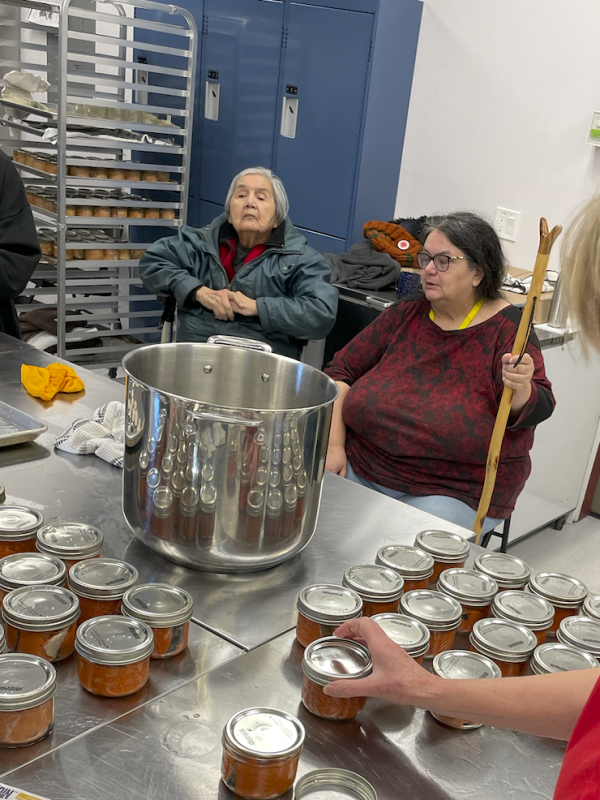
In 2022, after a series of workshops up and down the Coast in rented commercial kitchens, we noticed some Elders struggling to participate and teach because they couldn’t stand at the counters or worktops, and couldn’t see when they sat down on their walkers.
Countertops in the average kitchen are simply too high for little ones, walkers, and wheelchairs.
When we began digging and asking, the Elders also said they wanted to be and teach somewhere that felt like home; that could help rebuild the village spaces and connections they remembered. Industrial commercial kitchens – as incredibly useful as they are – to them, felt too cold and impersonal.
For us, the need for storage, and the endless loading, hauling, unloading and loading again to get to and from rented kitchens began to cripple us the more we grew.
Bringing together hearts & heads:
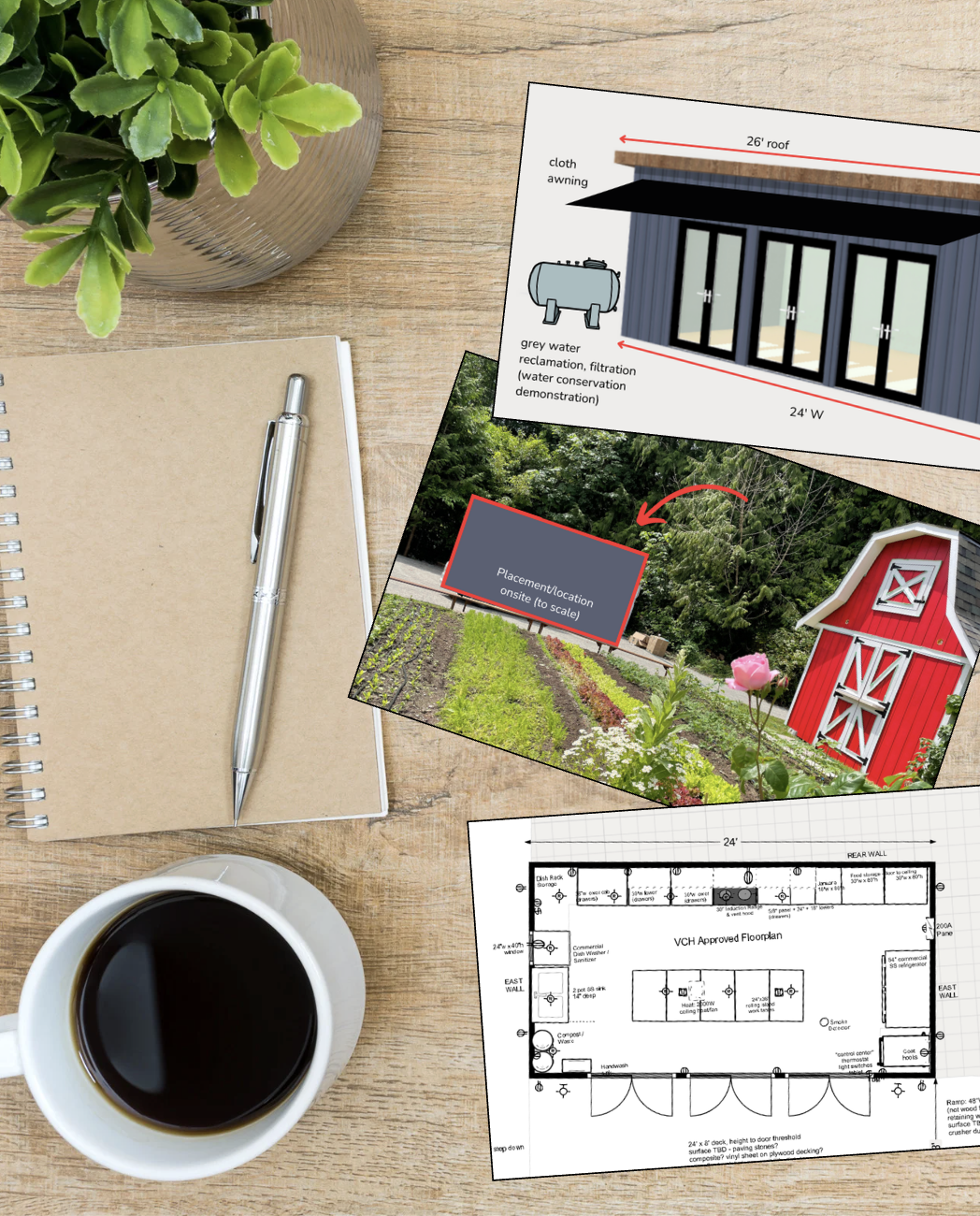
We began pulling together people entrenched in the world of food, and together, we dreamed, planned, and sourced partners.
Led by Casandra Fletcher, our dreamers and planners became Lisa Giroday (Landscape designer & board member) Megan Dewar (disability advocate & community builder), Jack Chen (pro chef, entrepreneur), Kwa’tle’maht HollyAnn (shíshálh Nation Elder, teacher), Jody Horne (pro chef, event host, restaurant owner), Anthony Santi (pro chef, entrepreneur), Andrea Potter (foods teacher, School District 46), Caitlin Allenby (teacher & chef), Andi Bothma (commissary manager, small business support), Xwa’pa’lich Barb Higgins (shíshálh Nation Elder, teacher), Karen Spicer (Community Association board), Linda McMahon (fundraising), and Kate McLaughlin (nutrition school founder & bookkeeper).
On top of this, countless members, neighbours, chefs, and foodies weighed in, sharing what was important to them about a community space like this.
The demands were high.
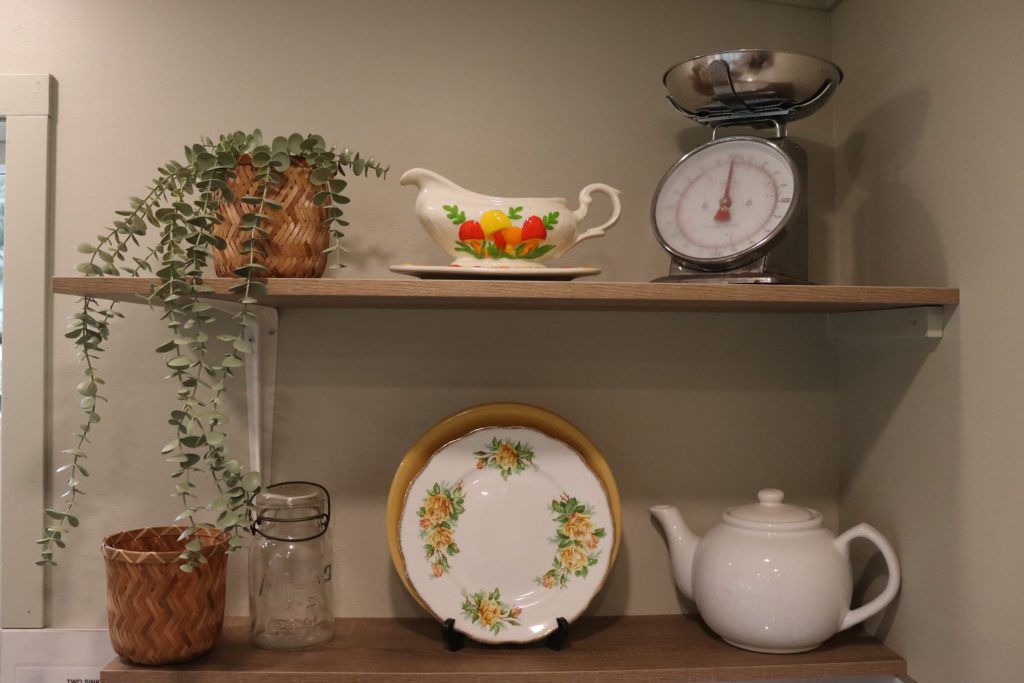
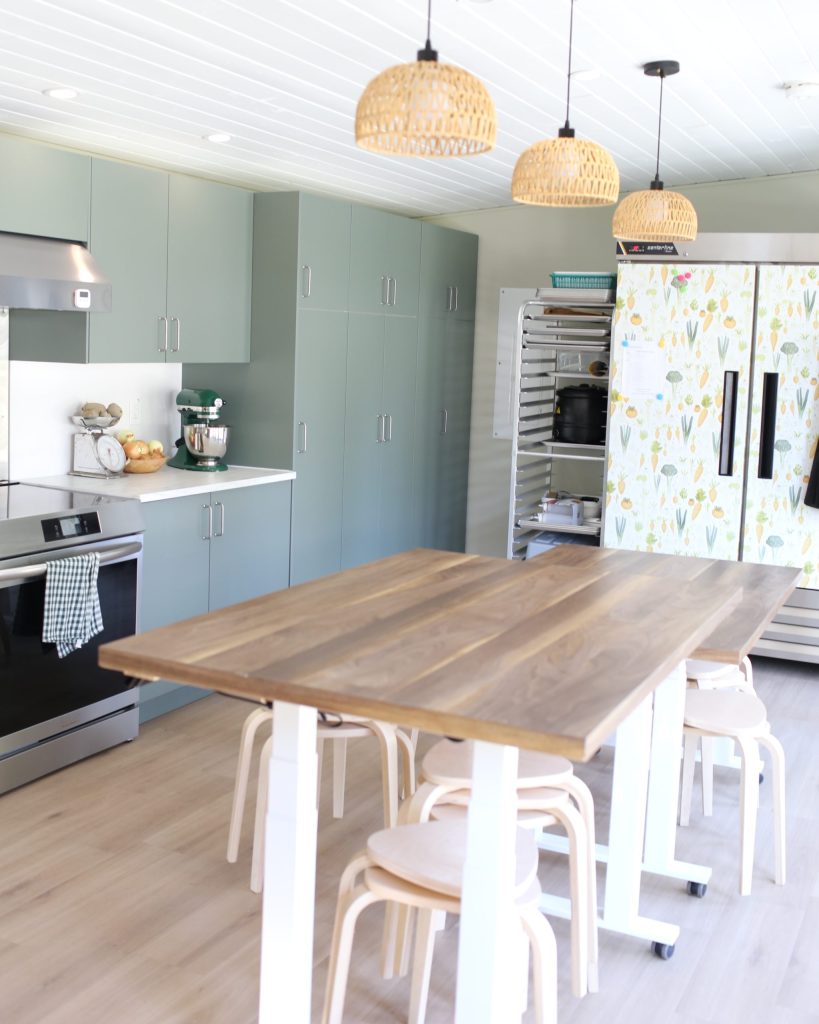
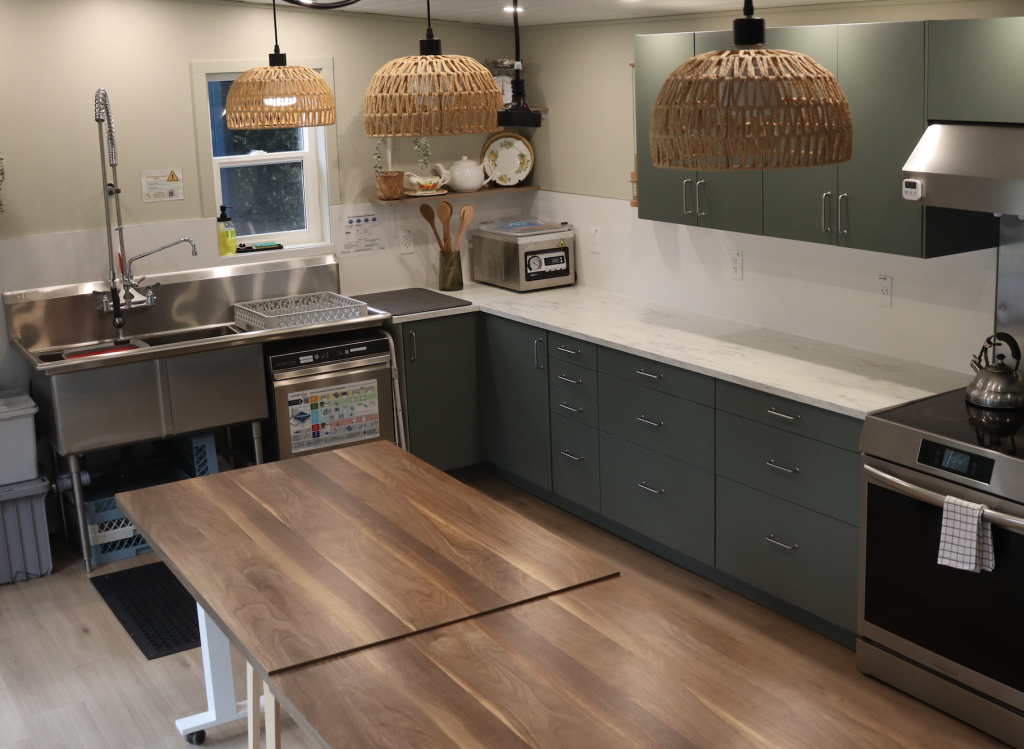
It needed to FEEL like home, and have:
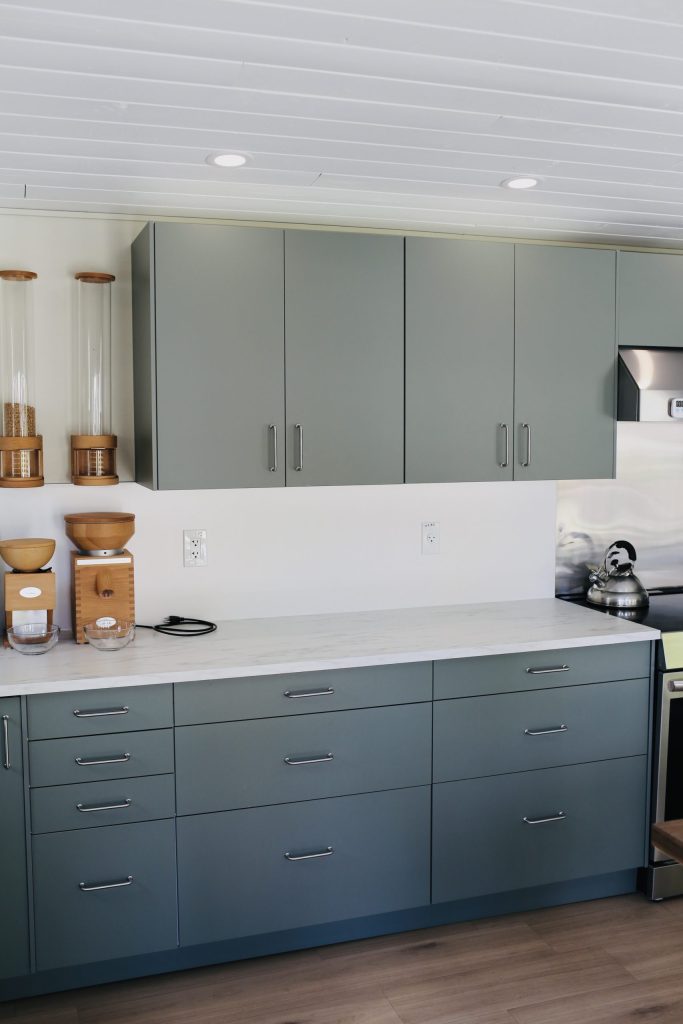
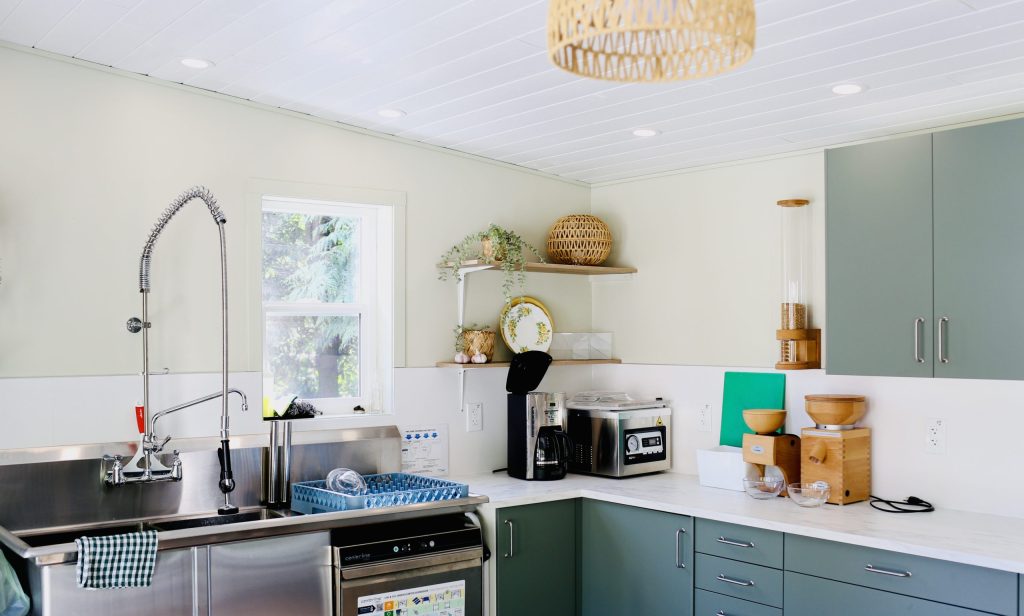
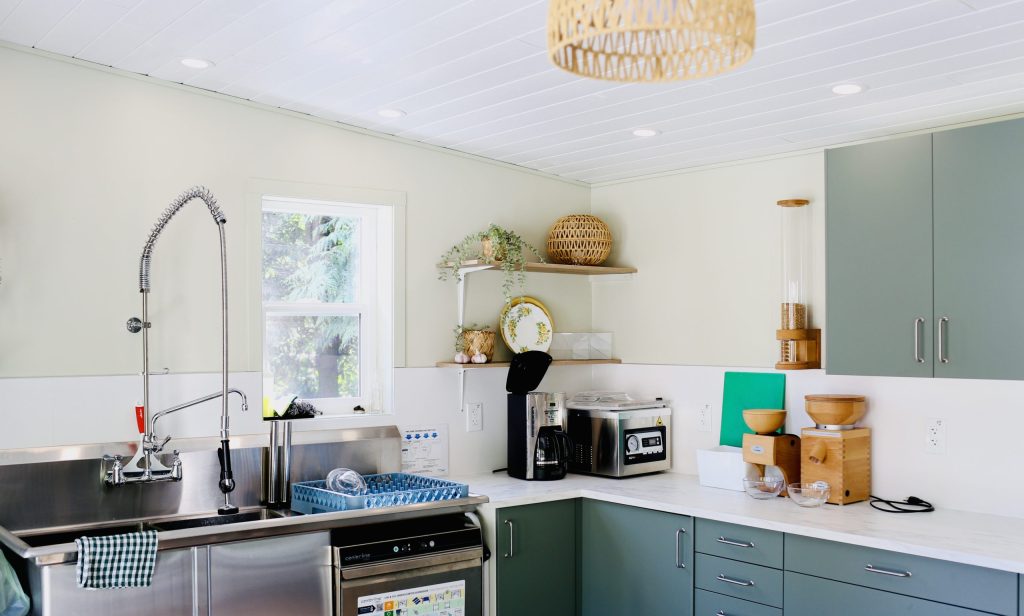
- weird equipment like grain mills, tin canning machines, freeze dryers, steam juicers & more.
- bright lighting for work but also moody, warm lighting for conversations and sharing meals.
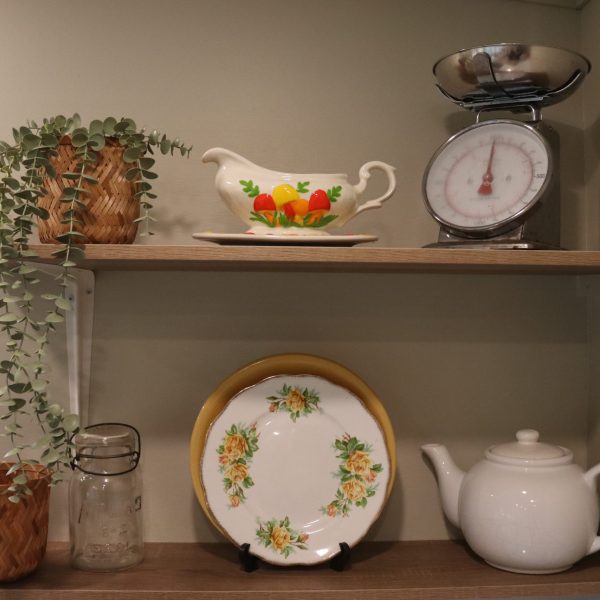
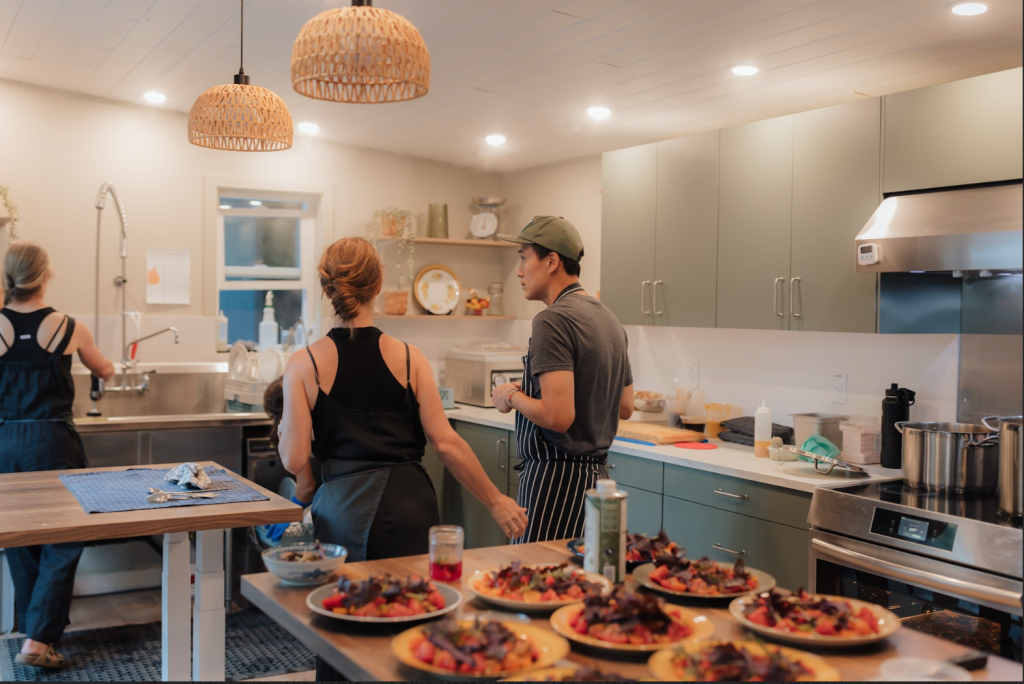
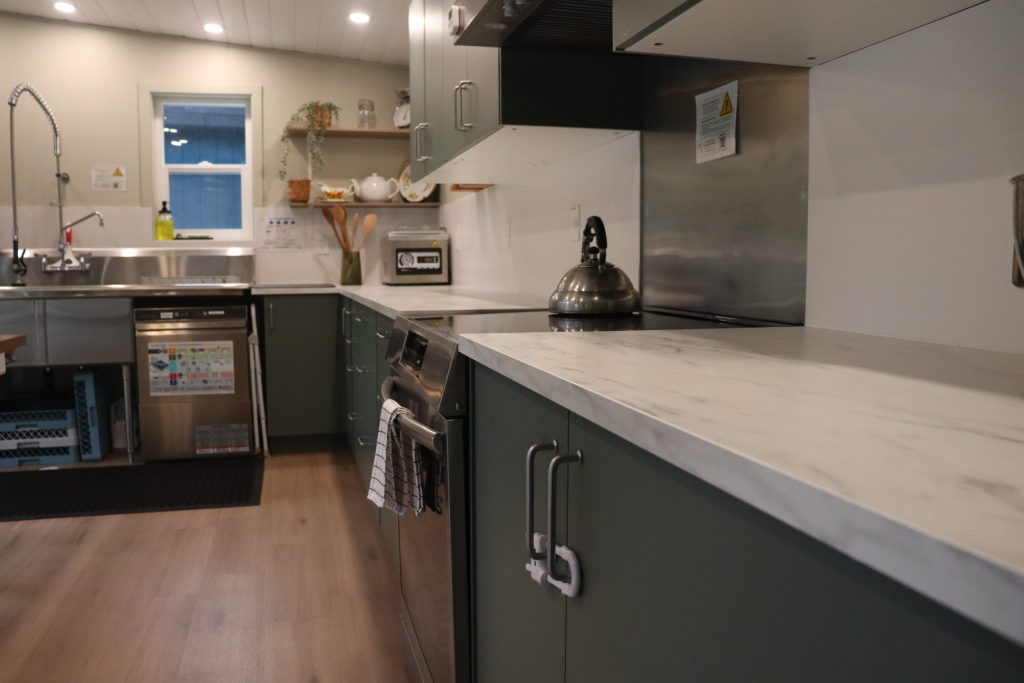
- commercial-grade equipment, but also comfort and colour – like home.
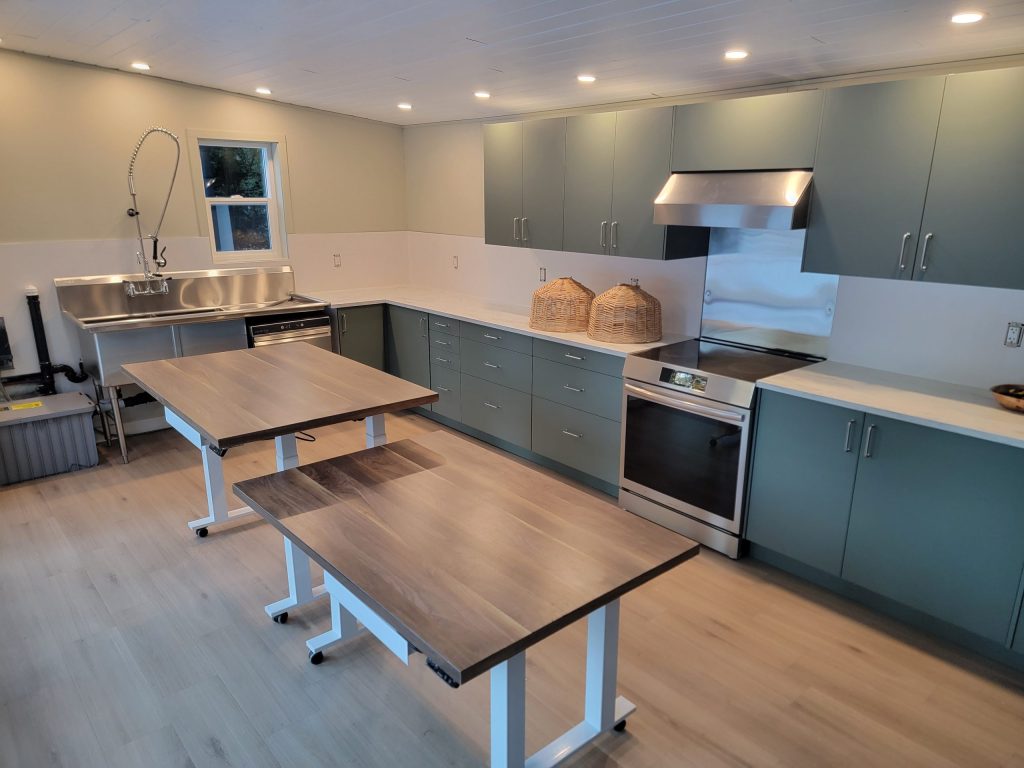
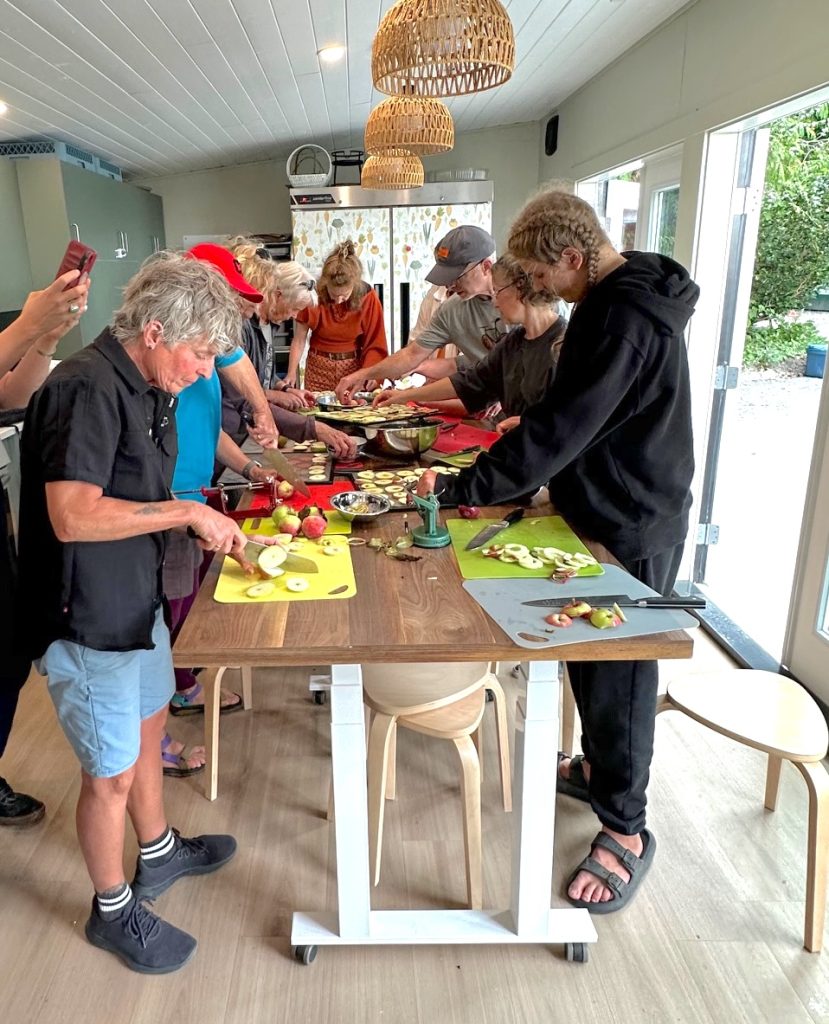
- worktops on wheels and on hydraulics so that they could go up for tall folks, down for little ones and people seated, and all around for different layouts.
- availability for days or weeks at a time to handle the volume of the harvest, and for a project to percolate.
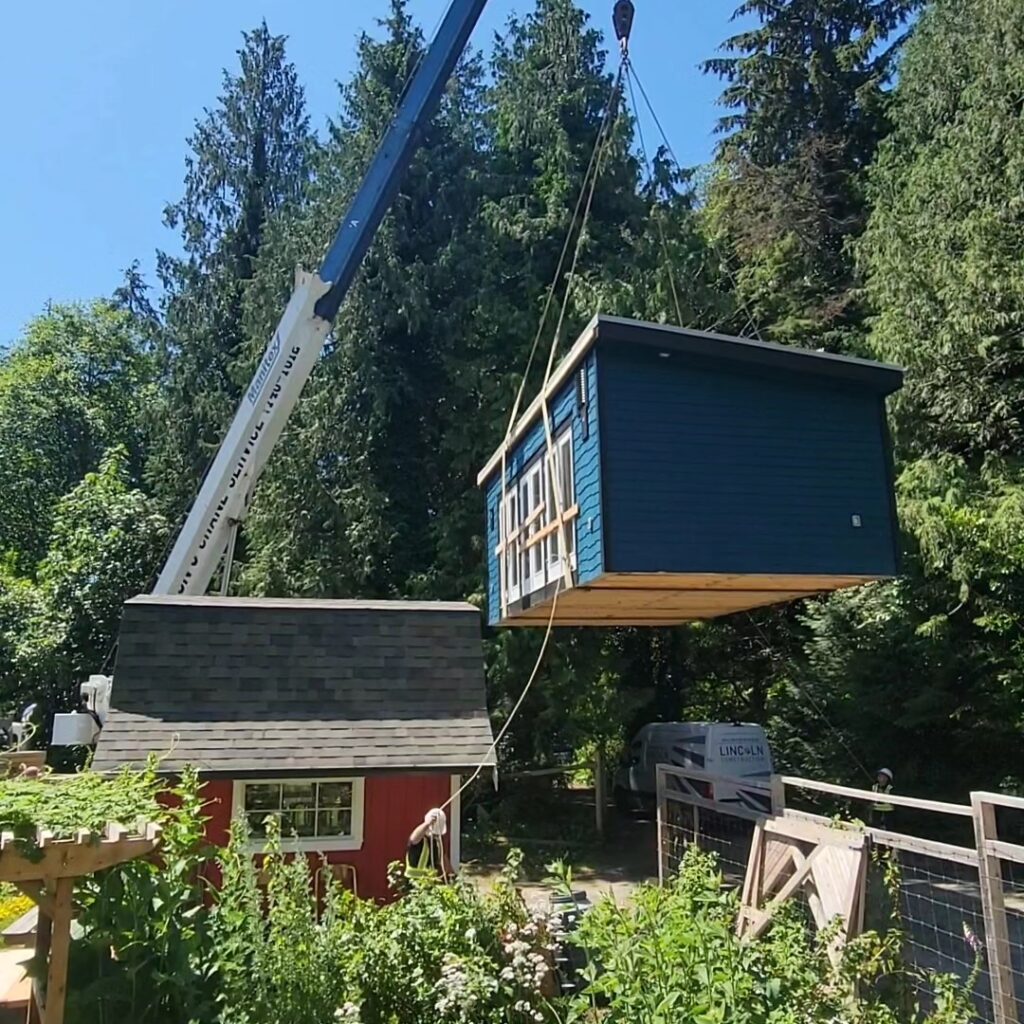
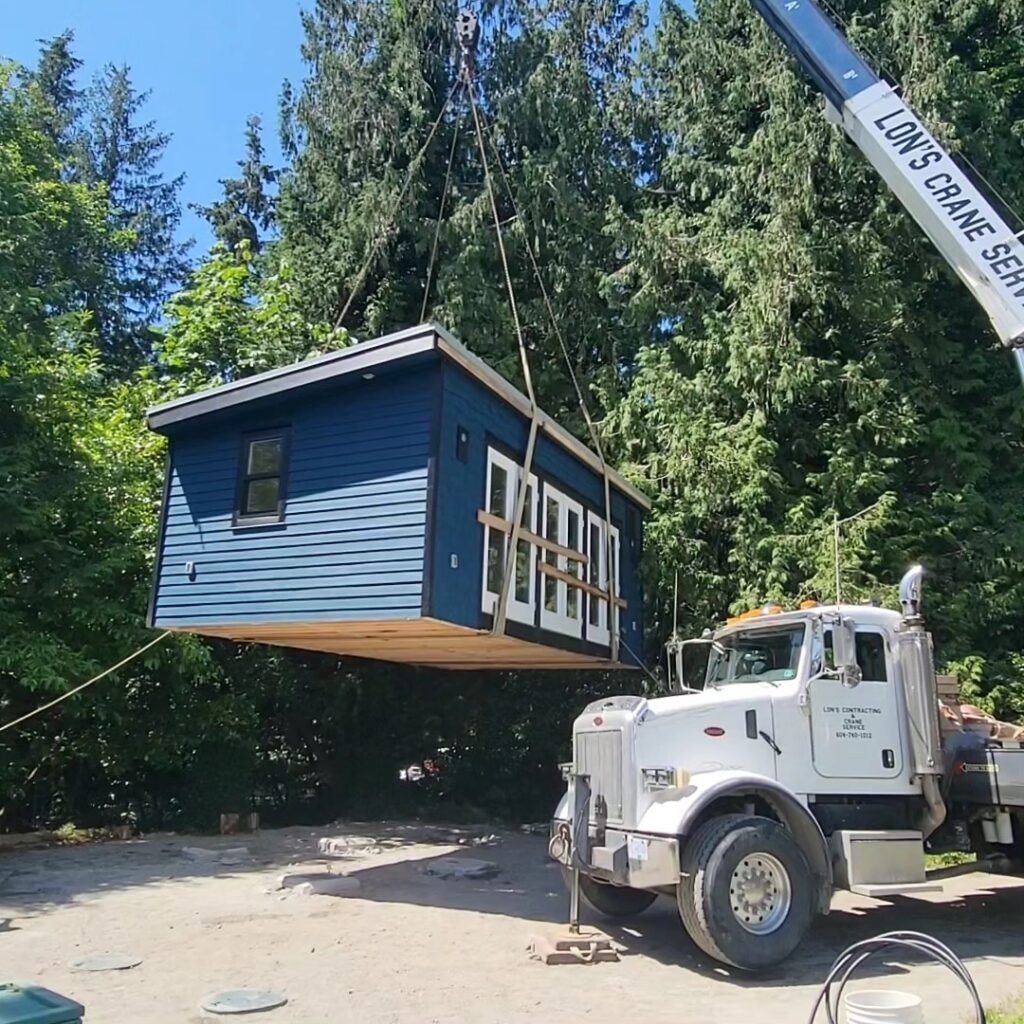
- the ability to move the entire building if we needed to.
Nothing like a tall order to stretch our creativity!



Funding
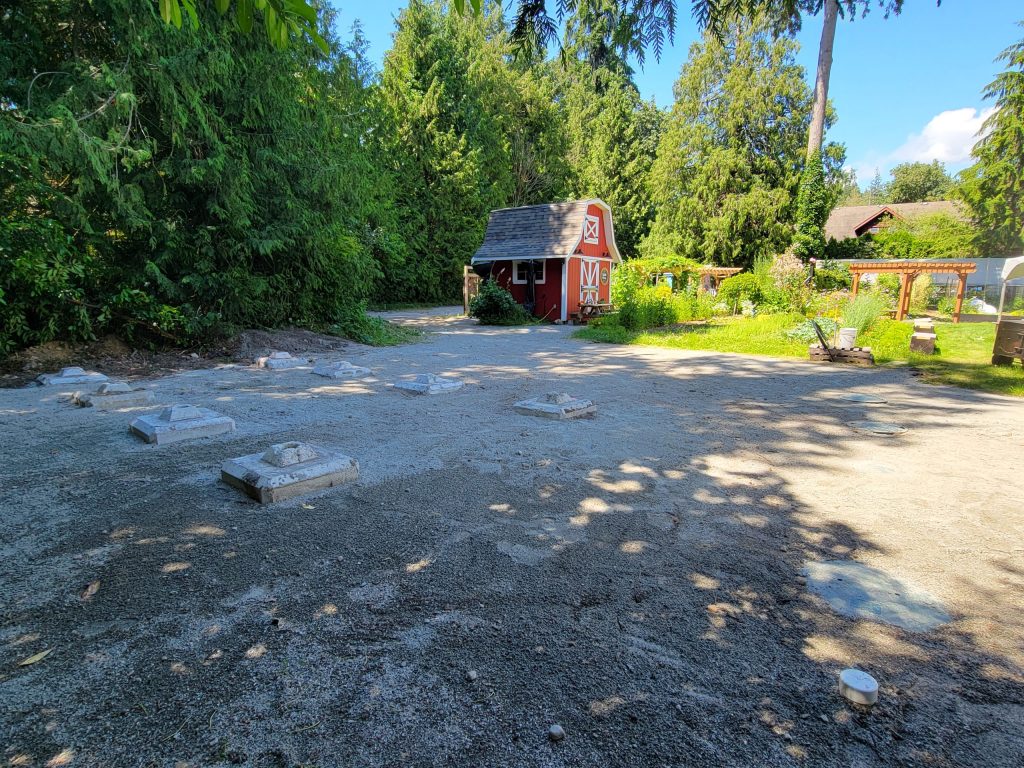
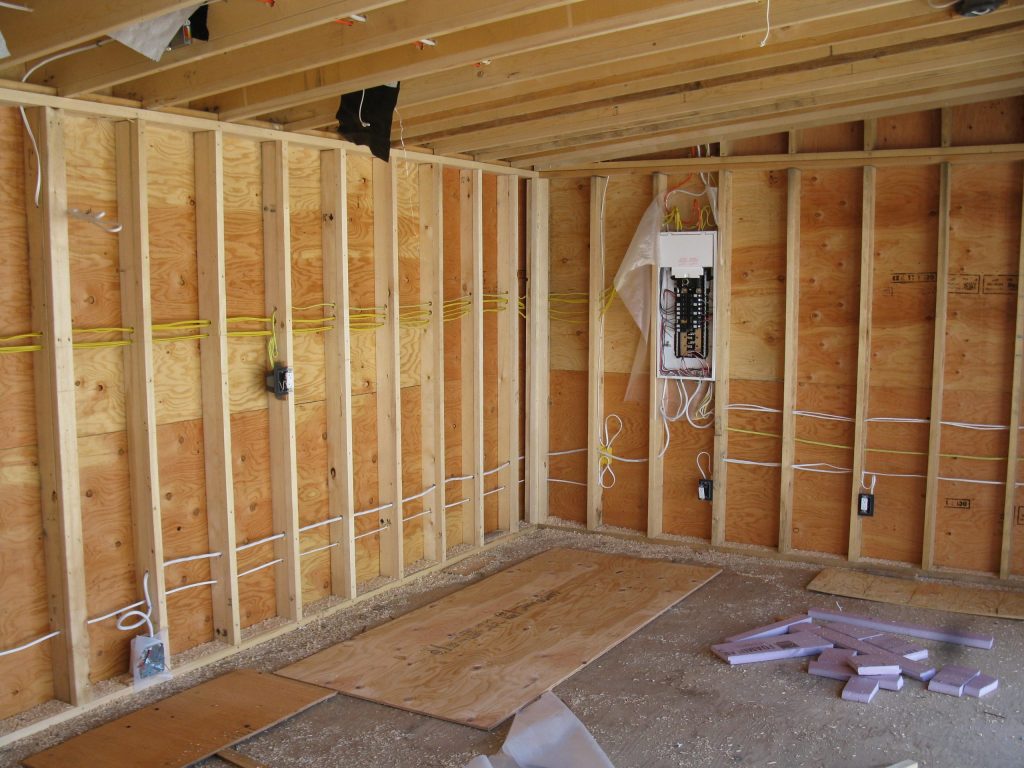
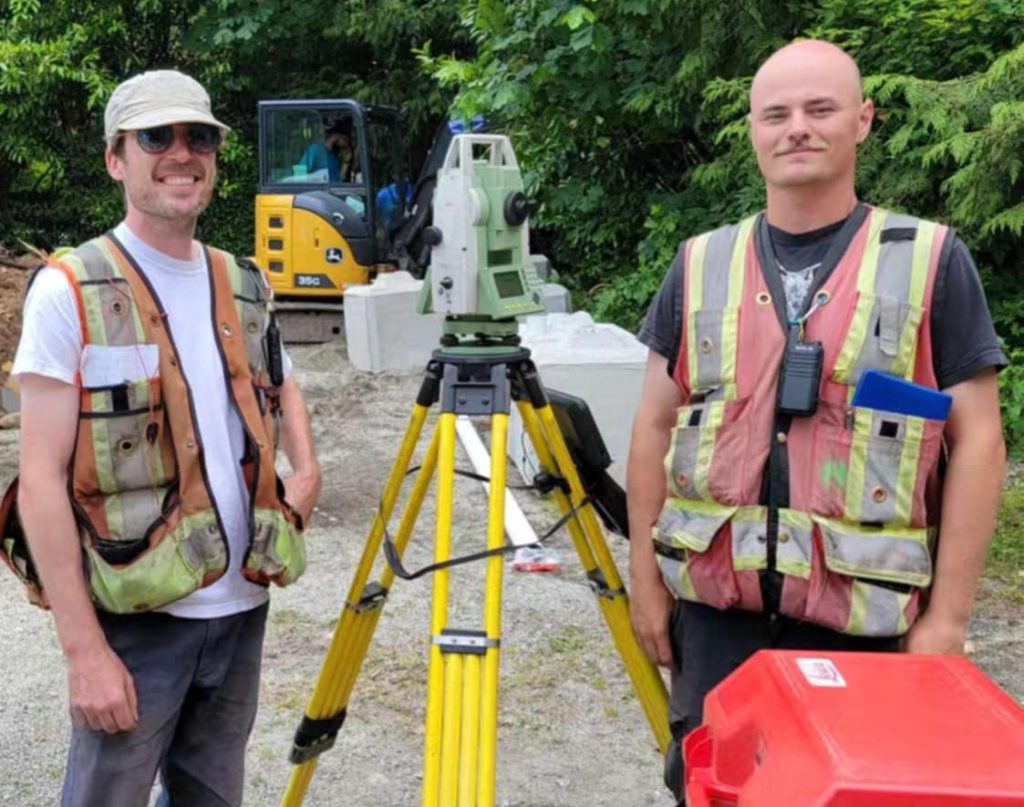
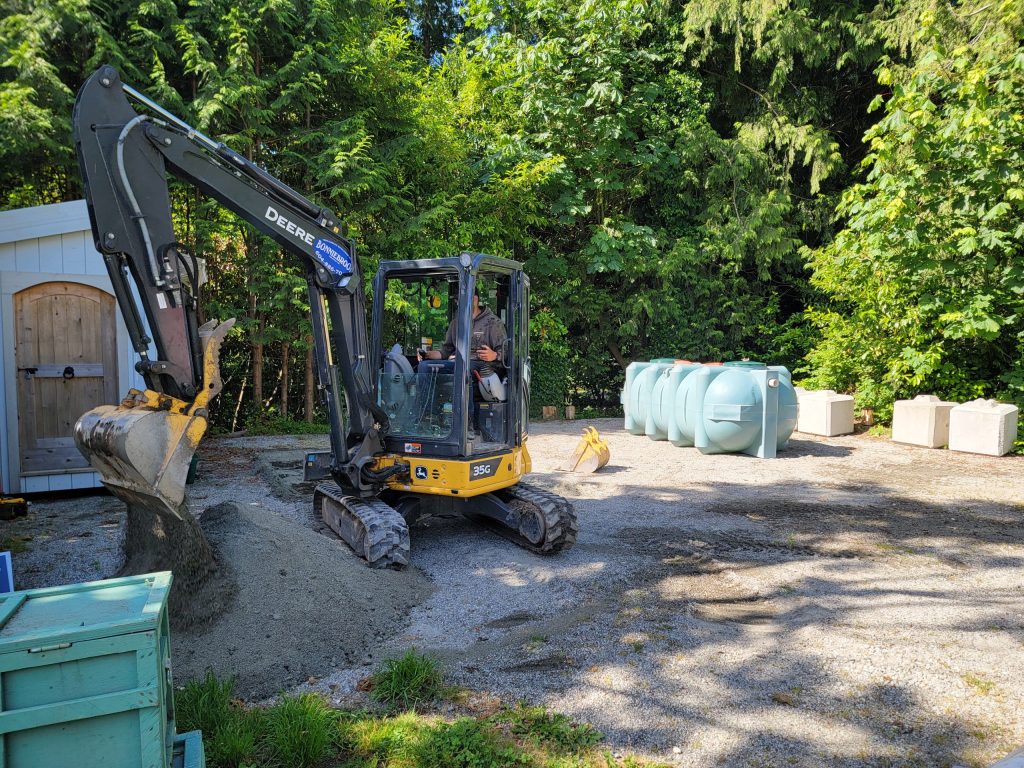
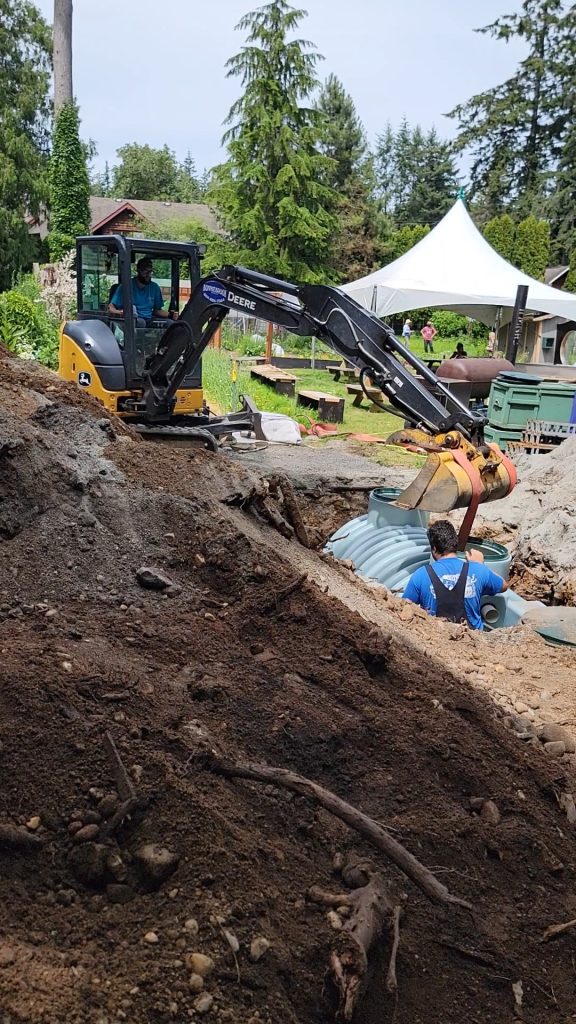
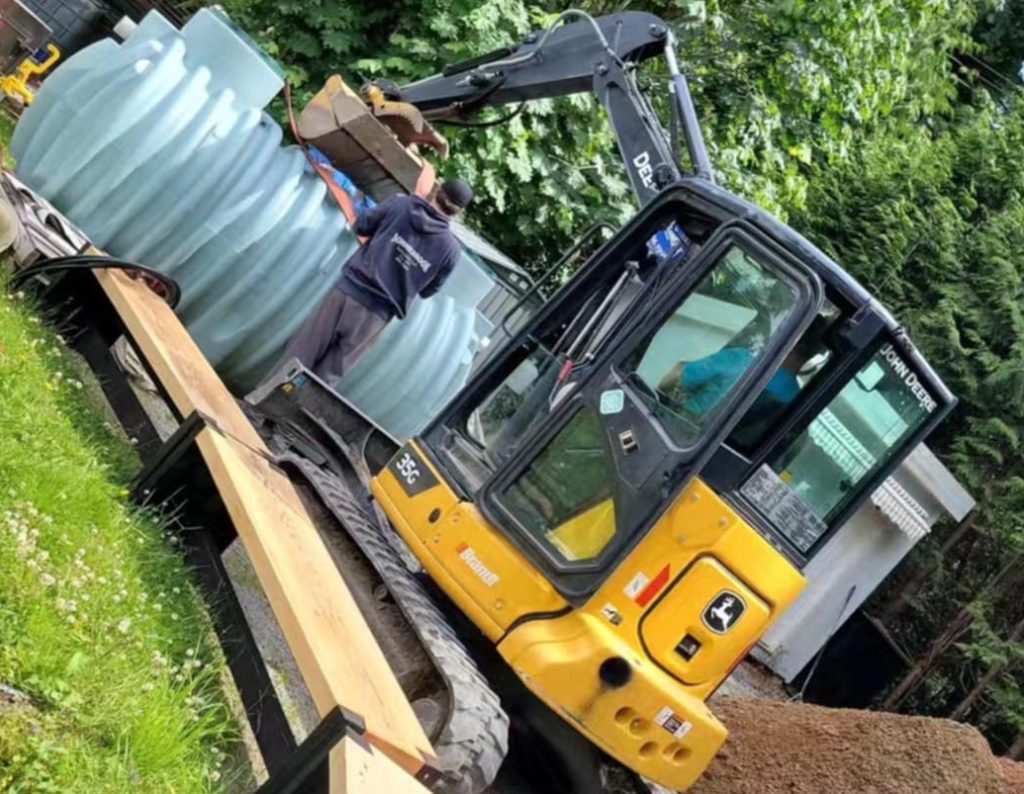
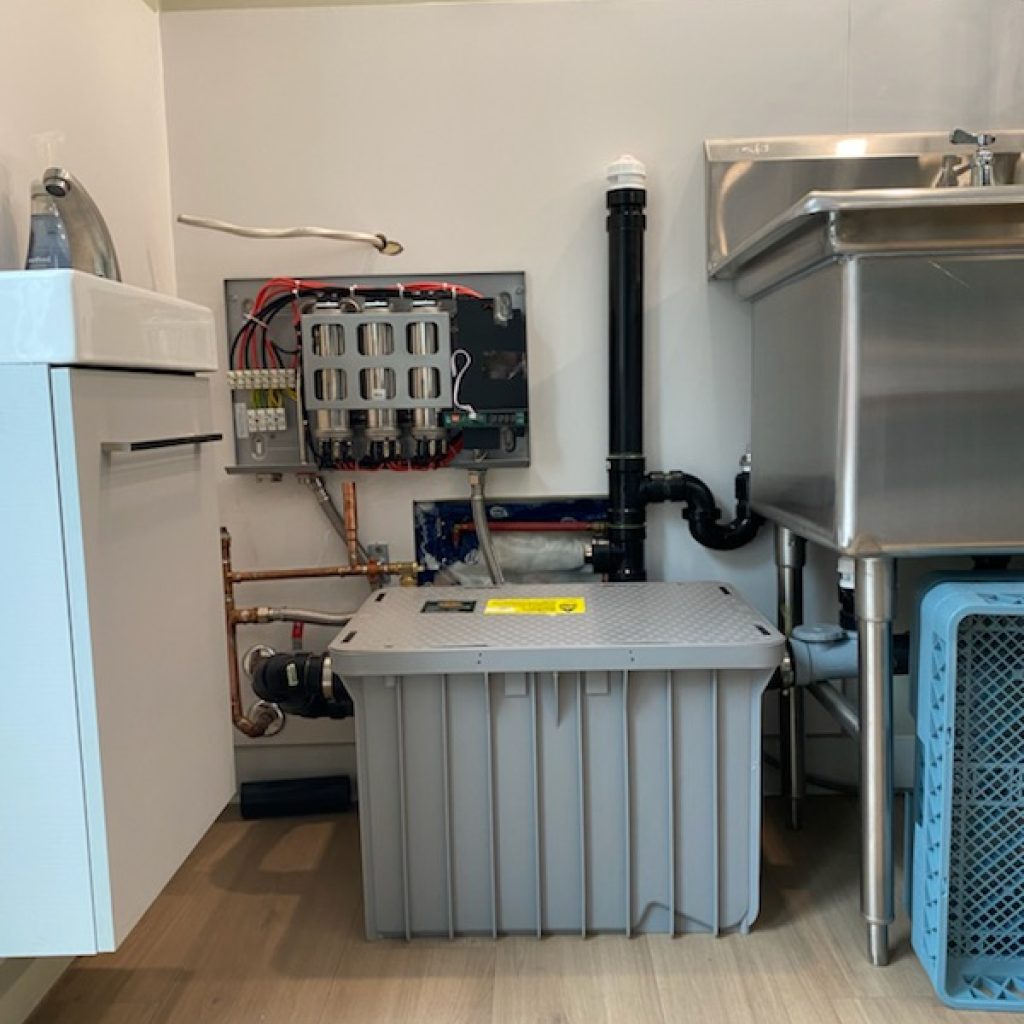
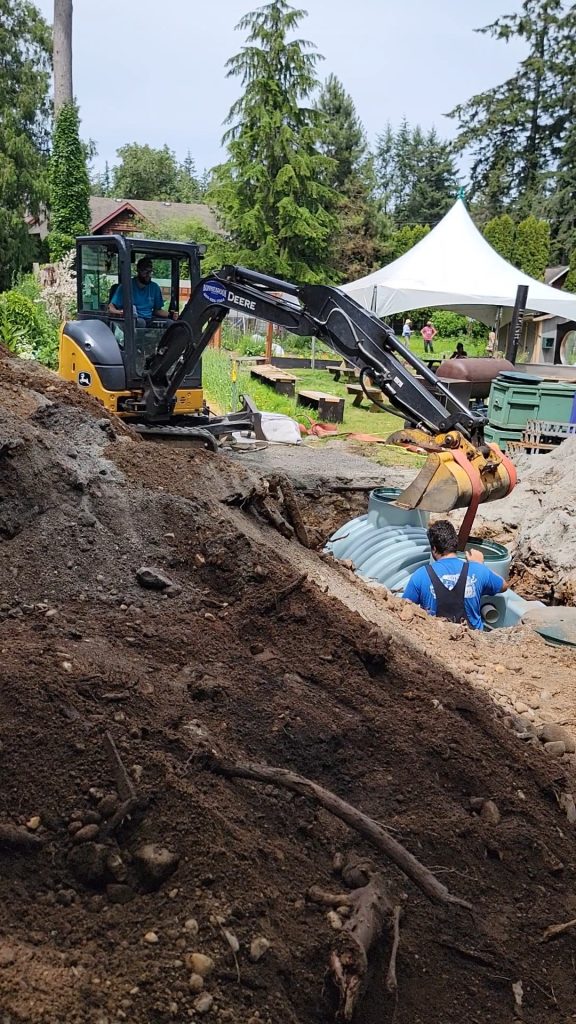
This was NOT going to be cheap. Commercial grade equipment, three different engineer certifications, brand new septic field with capacity for food service for 100 people a night, excavation services, new electrical service, and the building itself? The budget made us weak in the knees.
Along with many community donations, the amazing folks at these organizations jumped in to provide major funding support:
- United Way BC
- Island Coastal Economic Trust
- Agriculture & Agrifood Canada
- FCC Farm Credit Canada
- Sunshine Coast Credit Union
- David Roche, Marlena Blavin, and the Ananda Fund at Marin Foundation
Building it
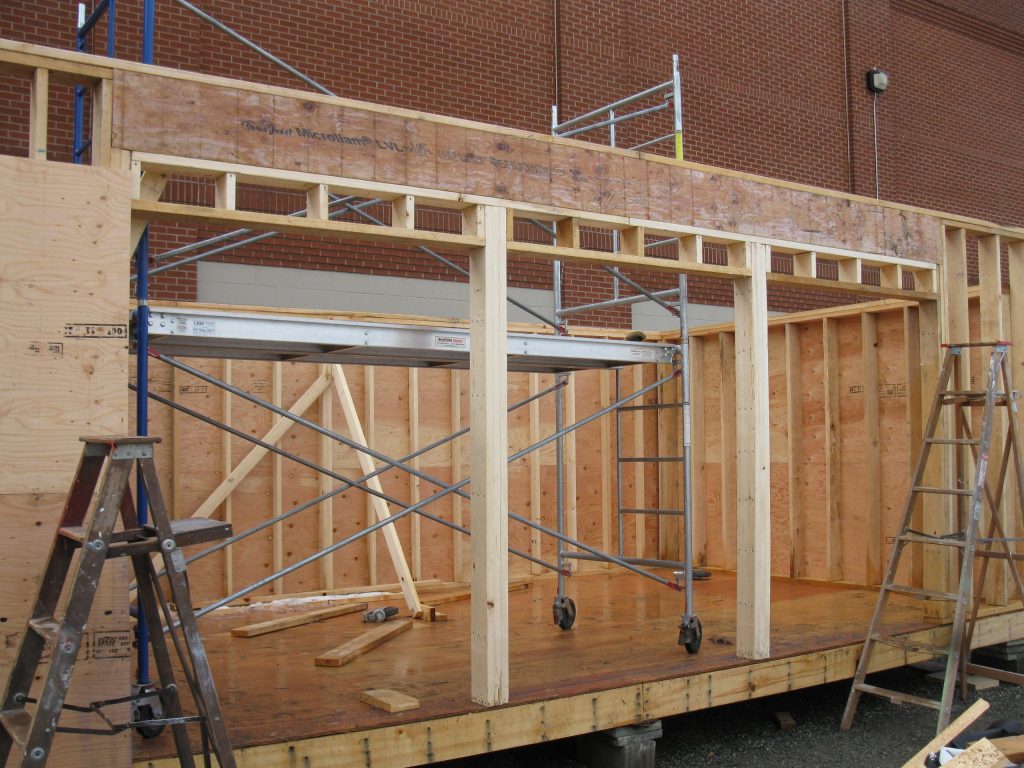
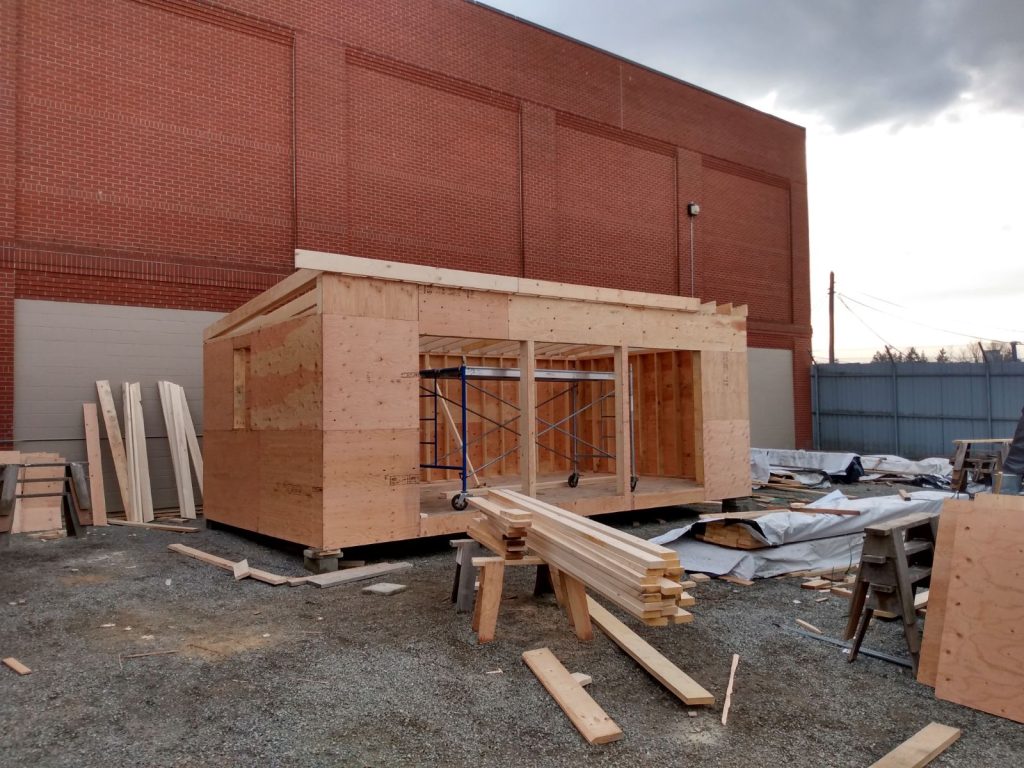
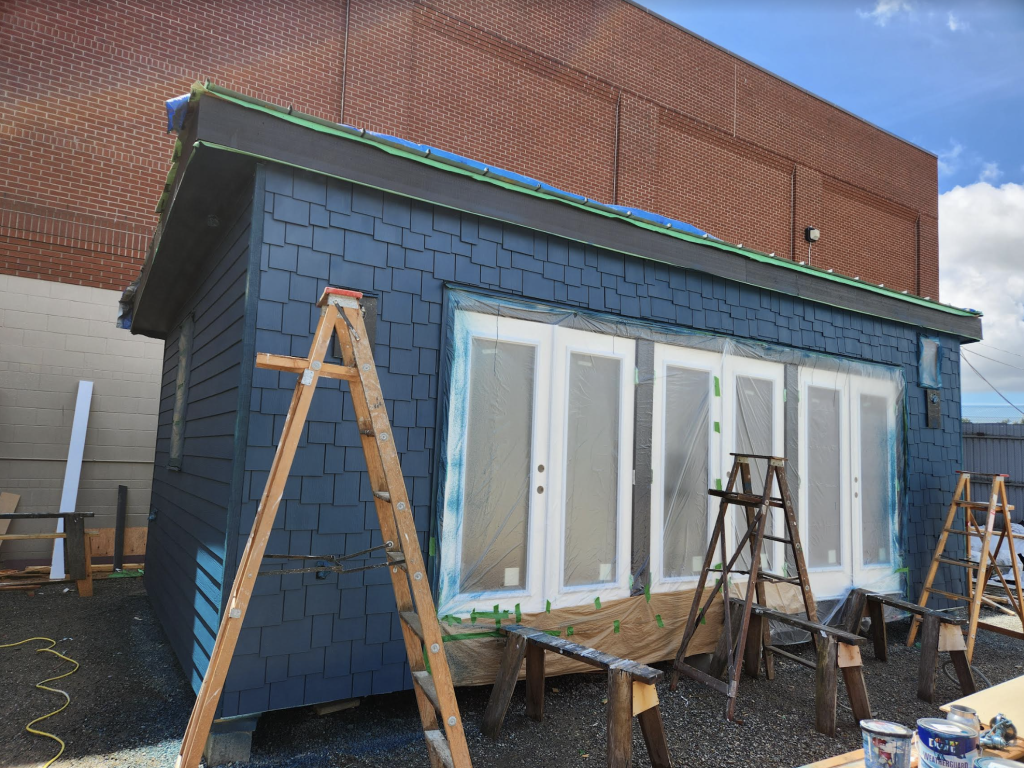
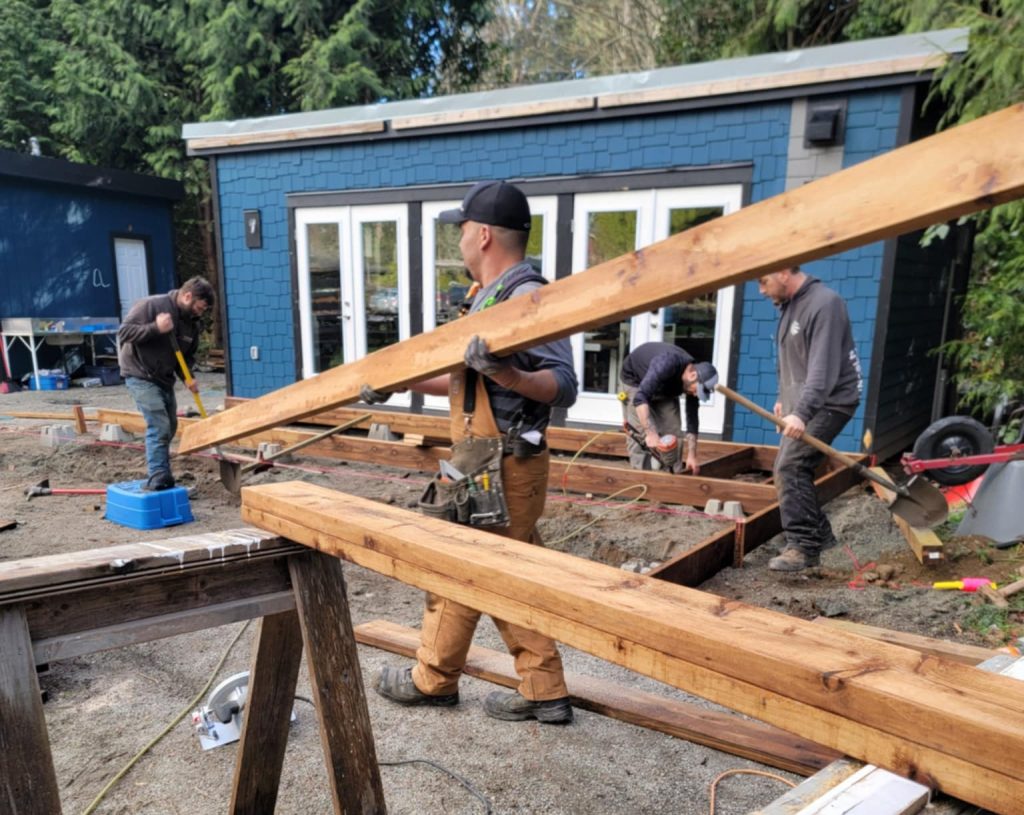
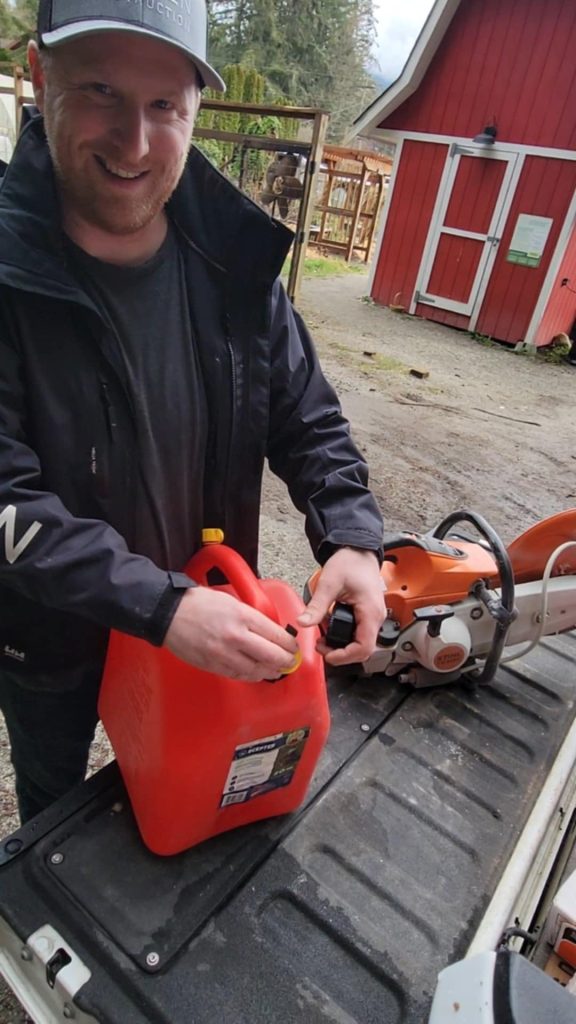
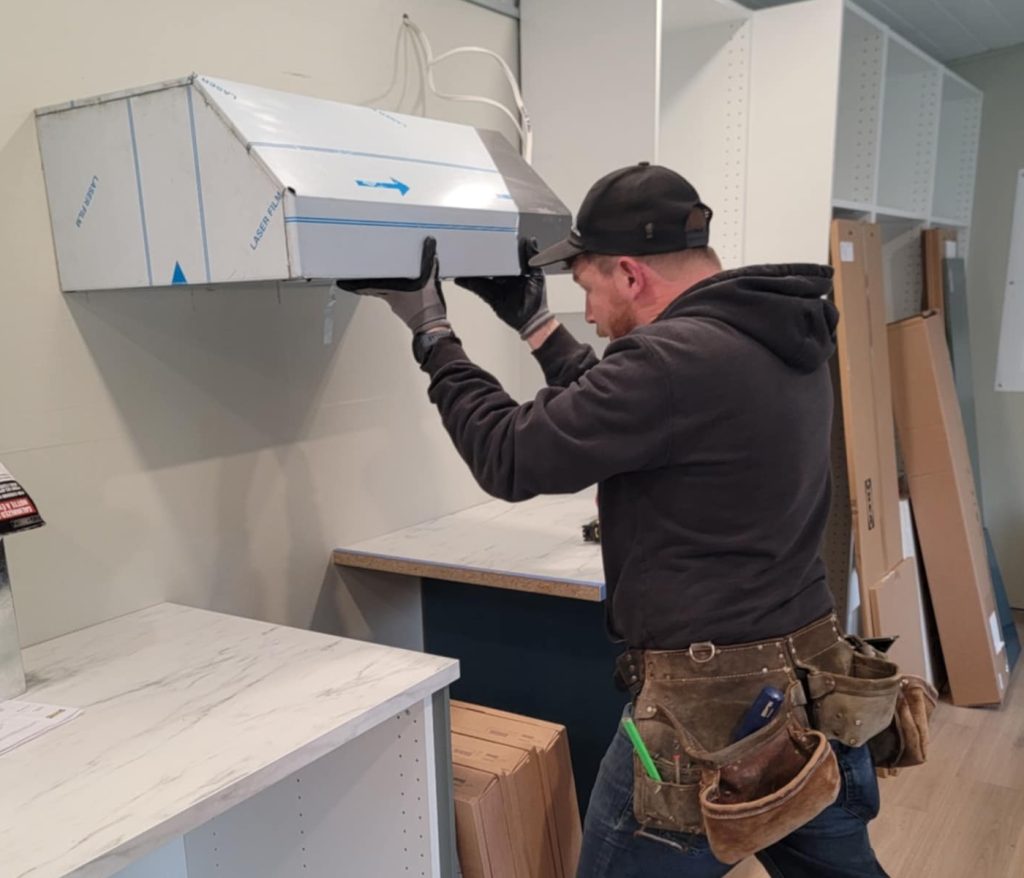
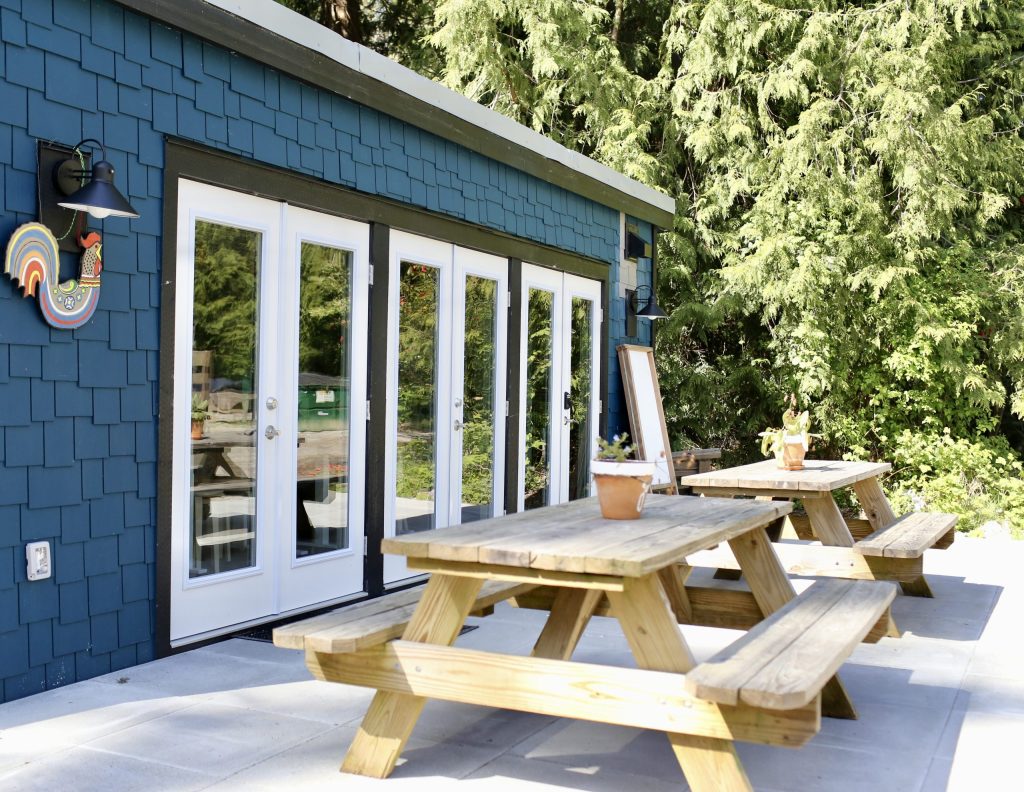
We enlisted the Red Seal Carpentry program at a high school in Surrey, and so the shell was built by a bunch of 16 and 17-year old students.
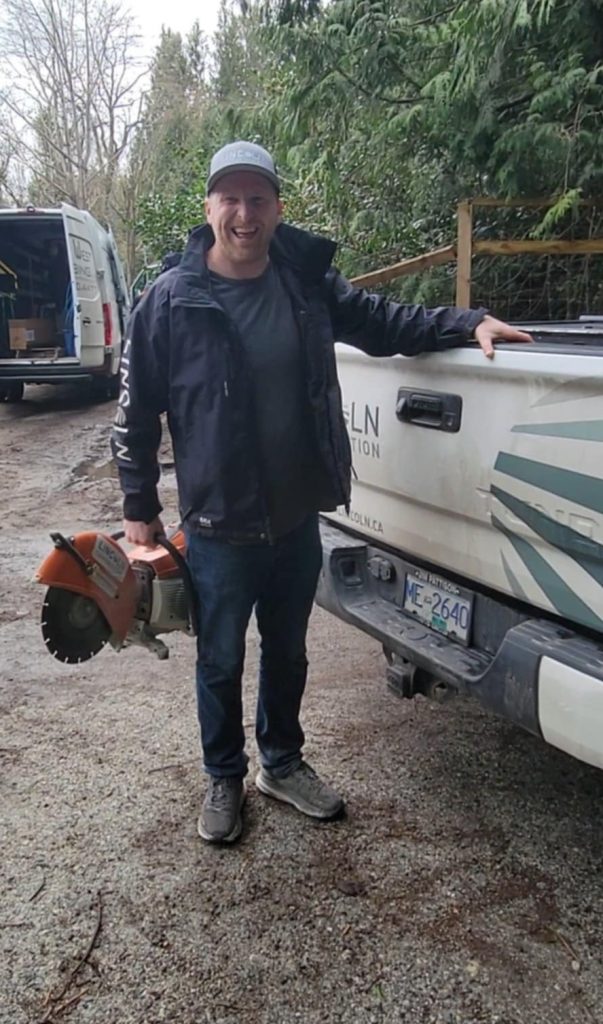
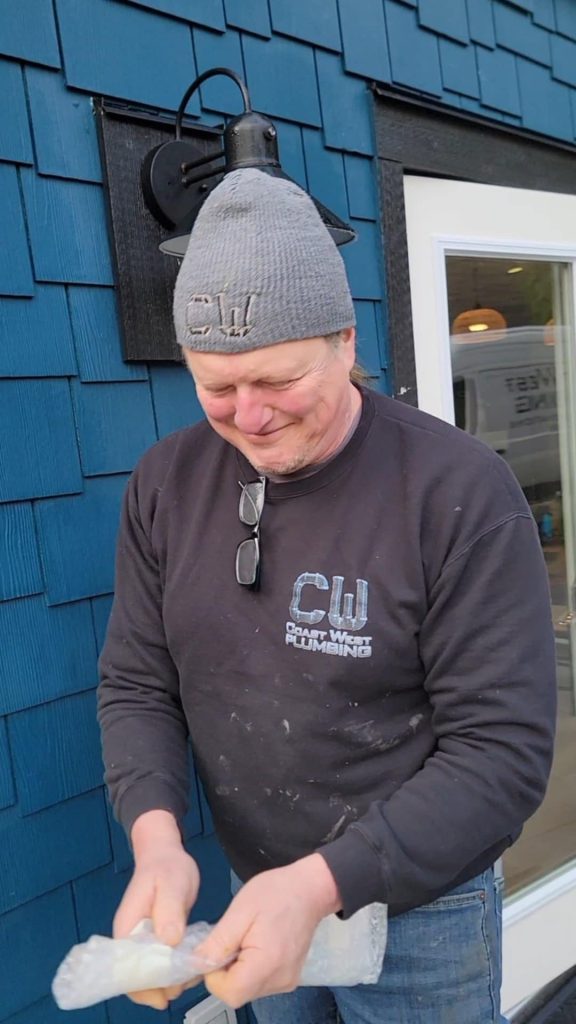
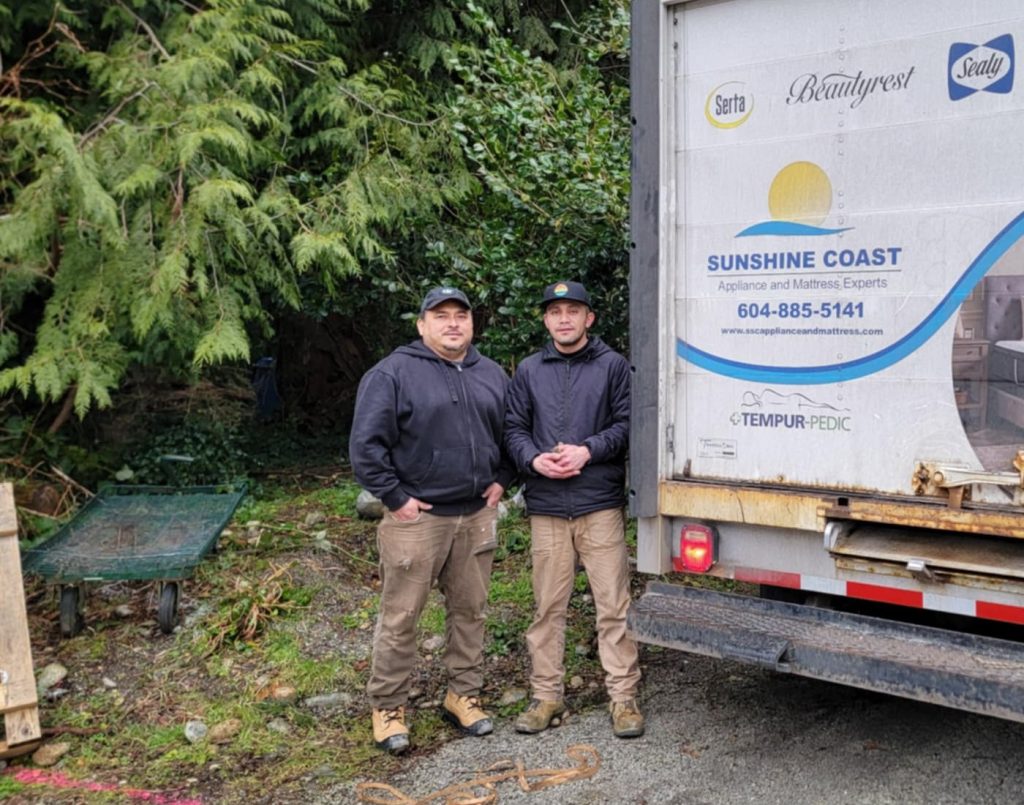
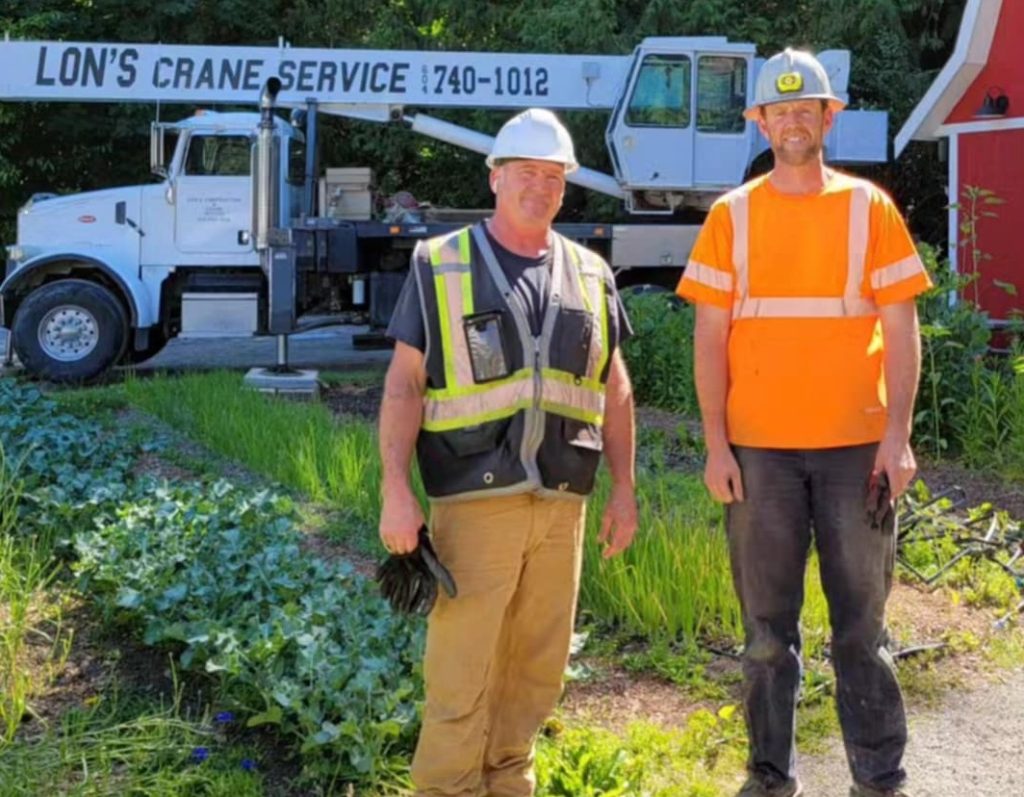
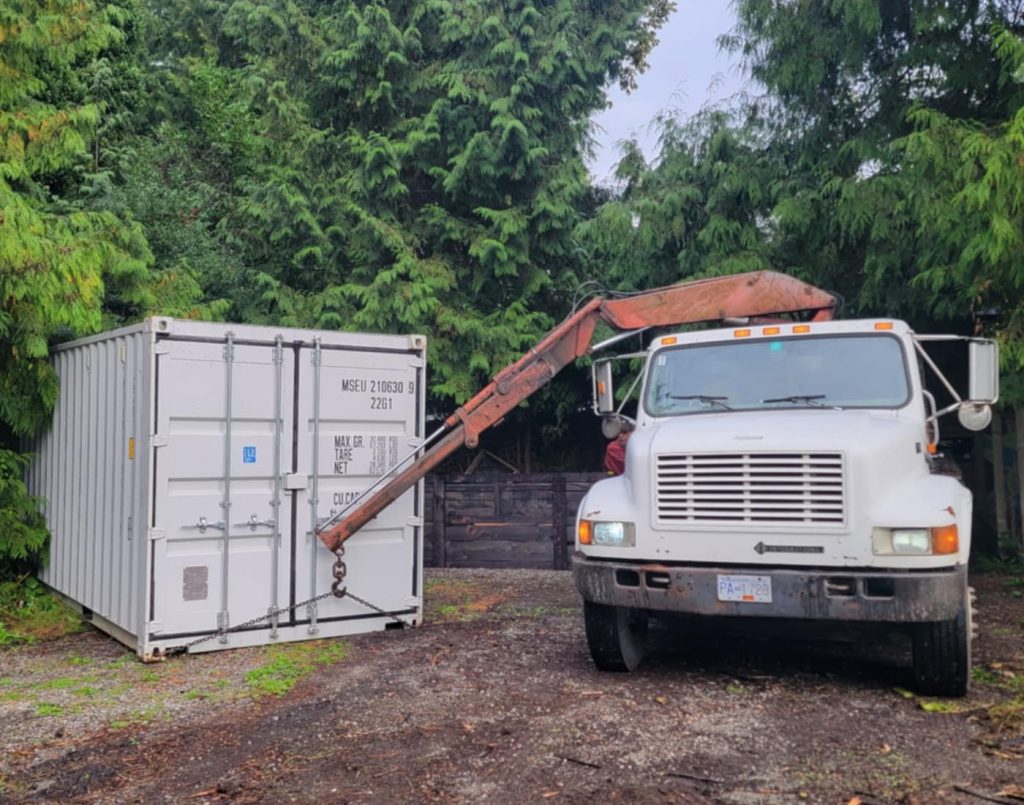
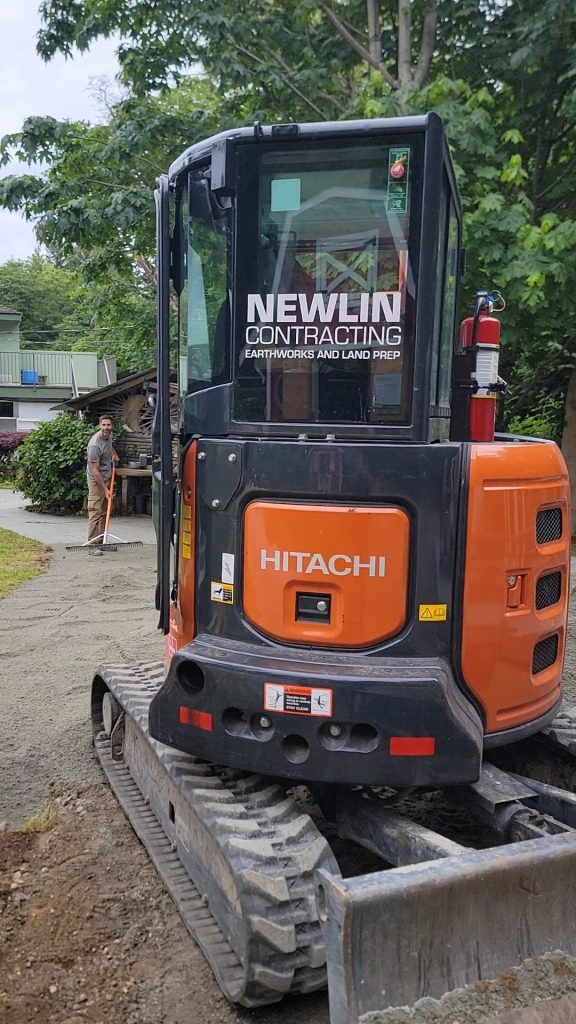
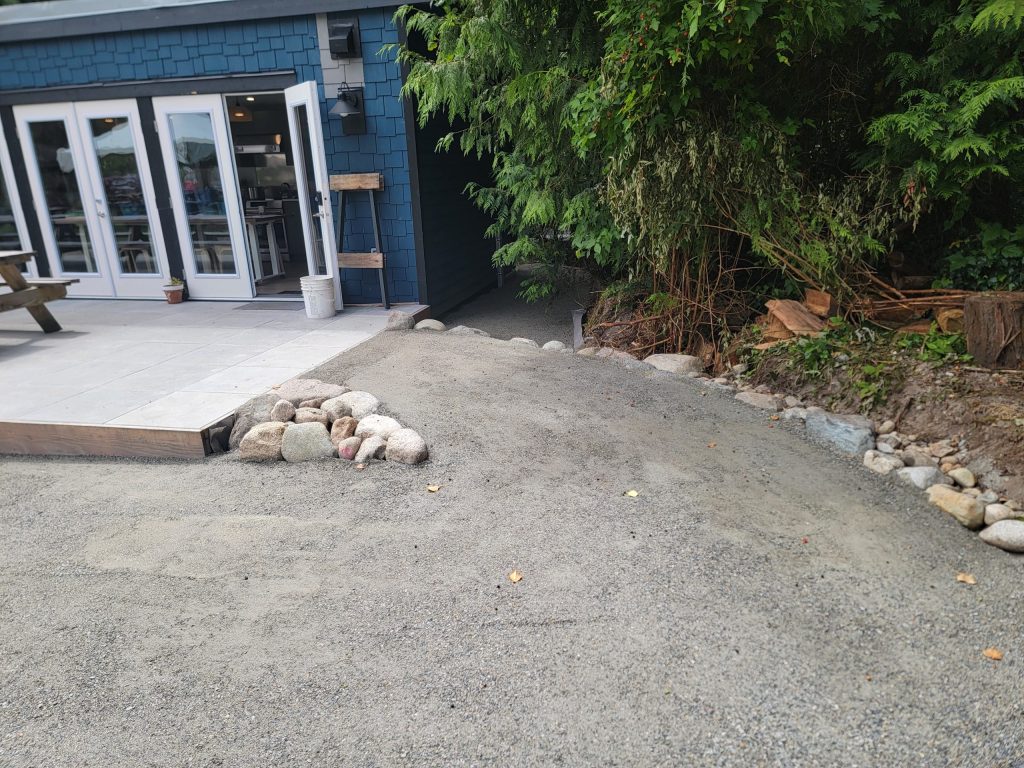
Our friend, Lonnie, from Lon’s Crane, dropped it onsite (donating his services 100%), with the help of Lincoln Construction, who also built a patio. Newlin Contracting built up the grade for accessibility (without a ramp!), and many others donated – at least in part – their time, skills, and materials.
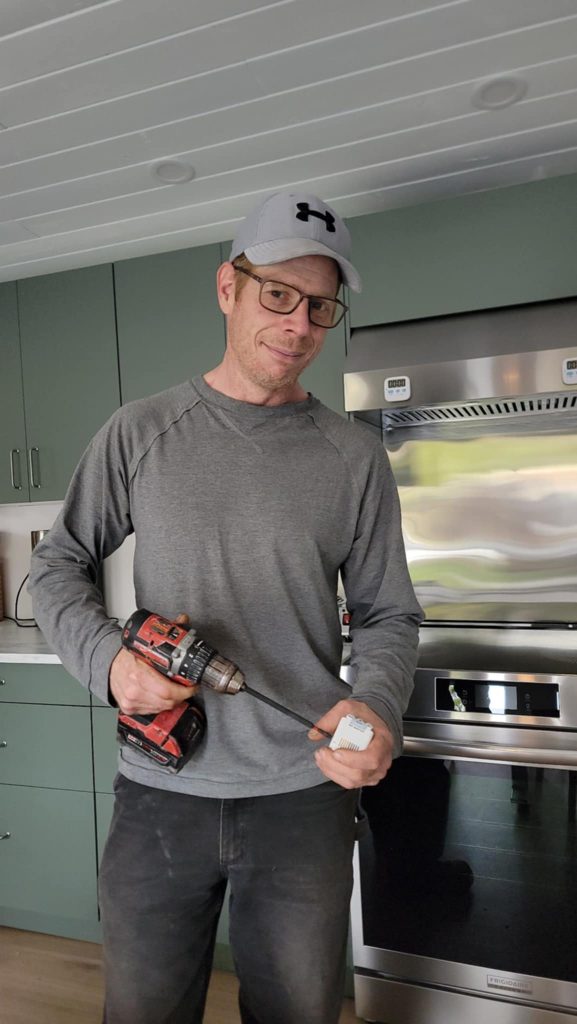
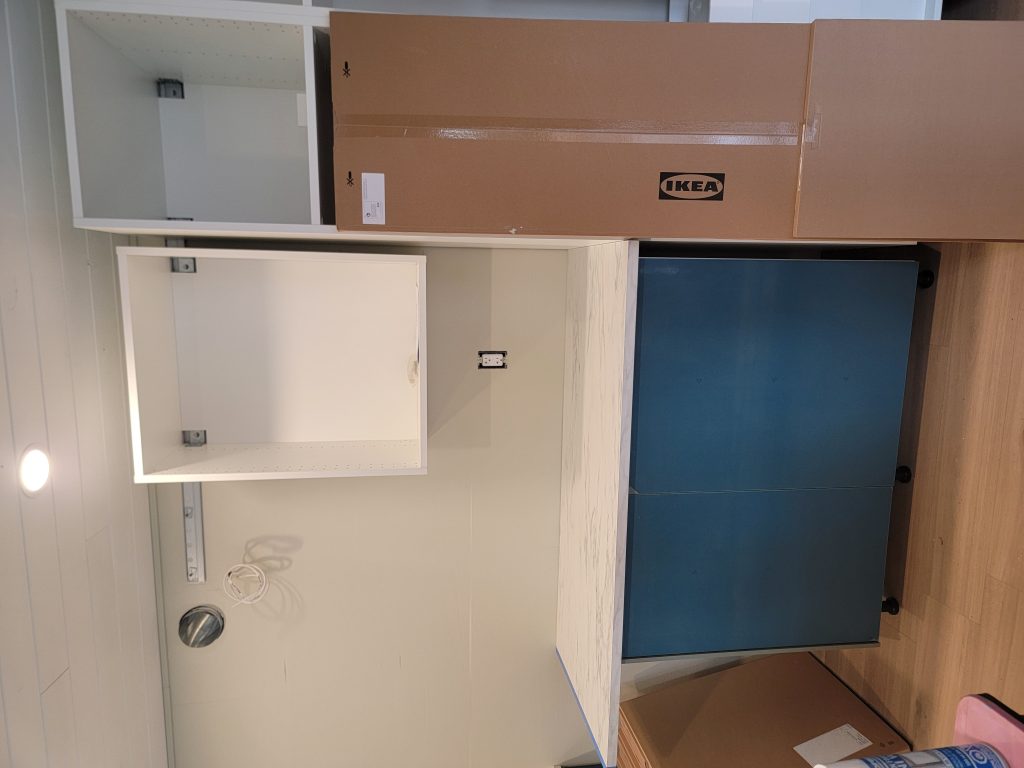
Over several months, we pieced together this sweet little space, which is now bustling with activity.
It happened only because you all jumped in.
Today
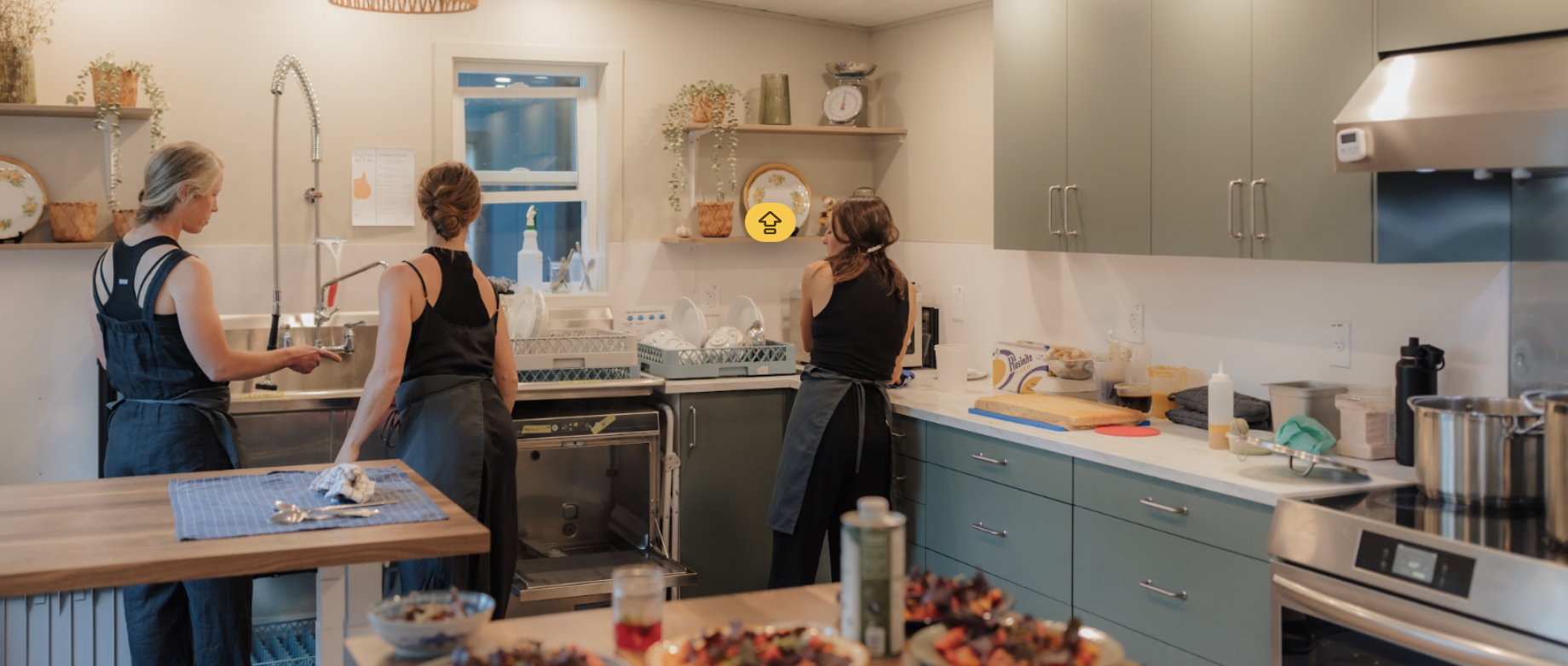
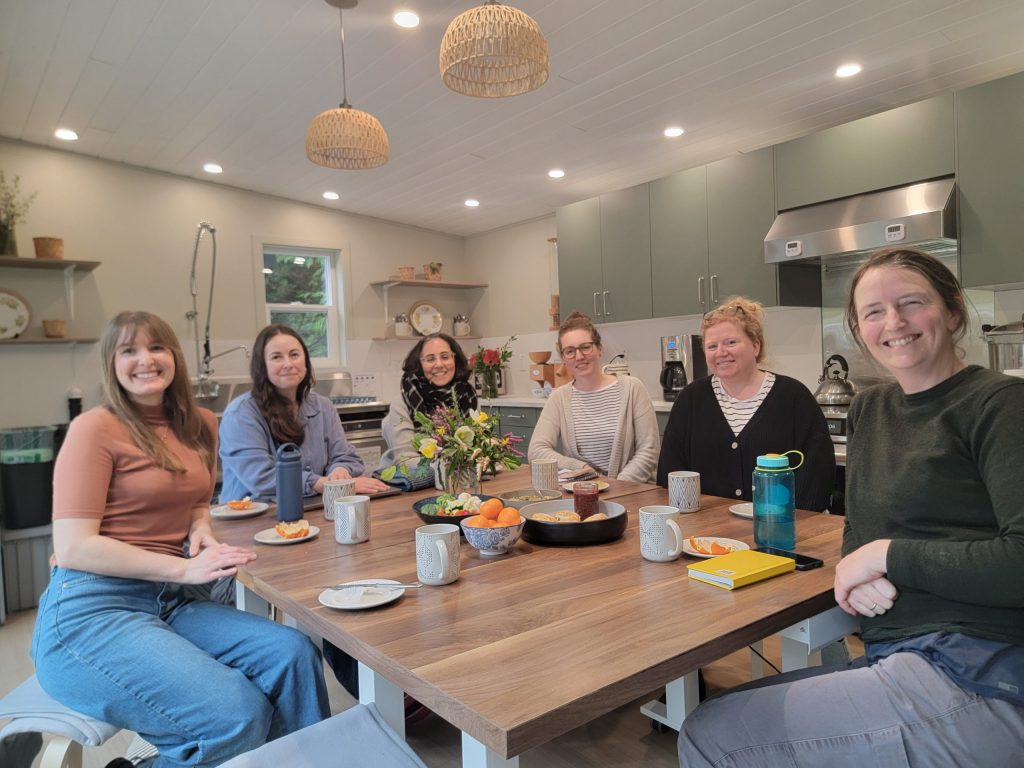
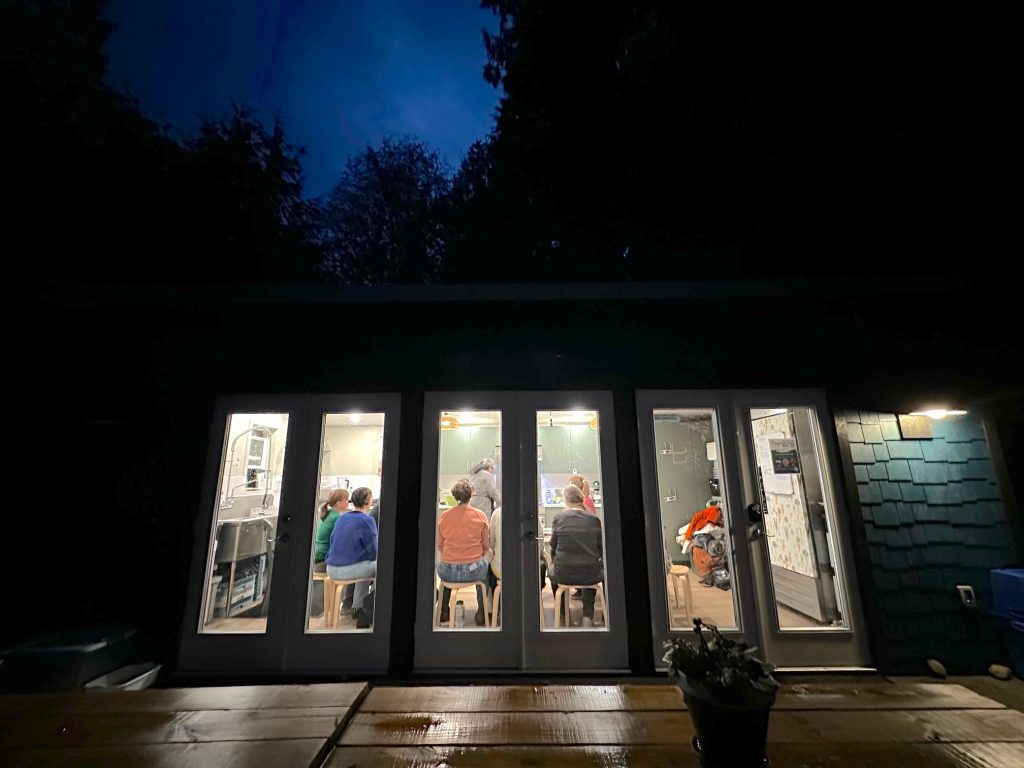
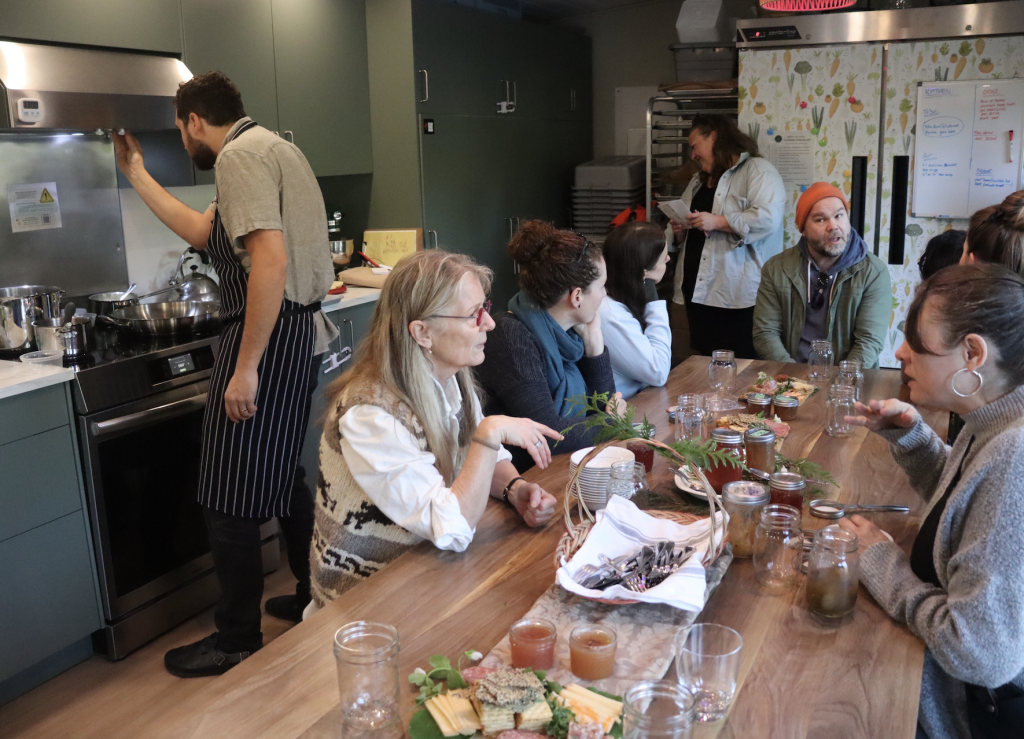
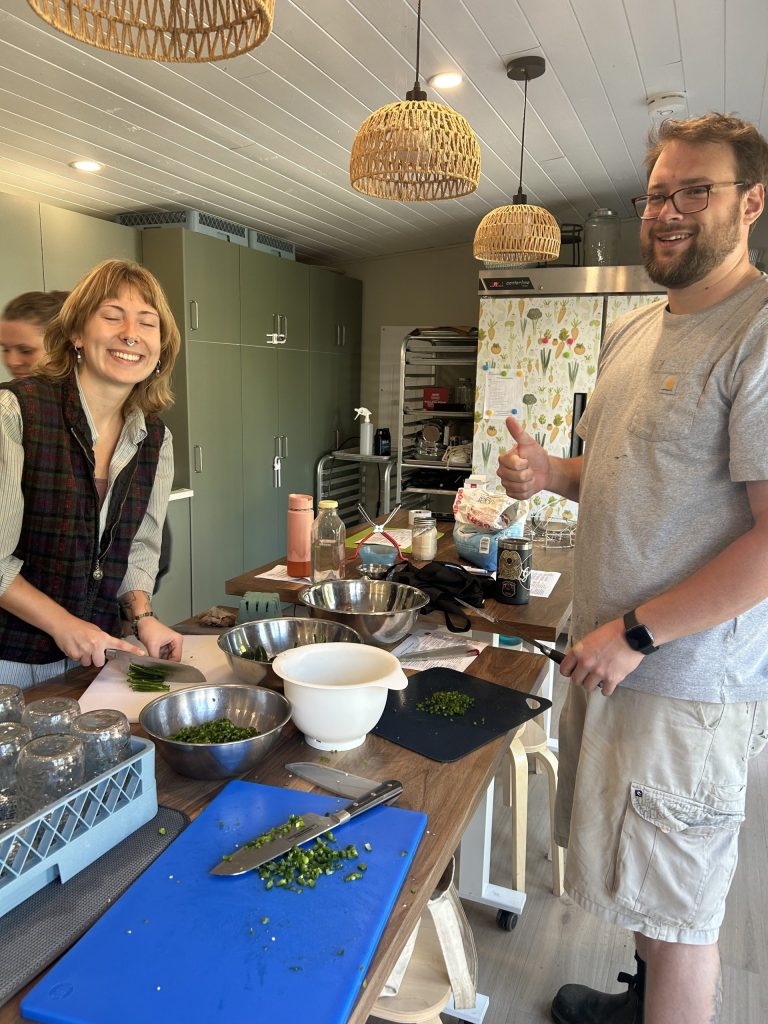
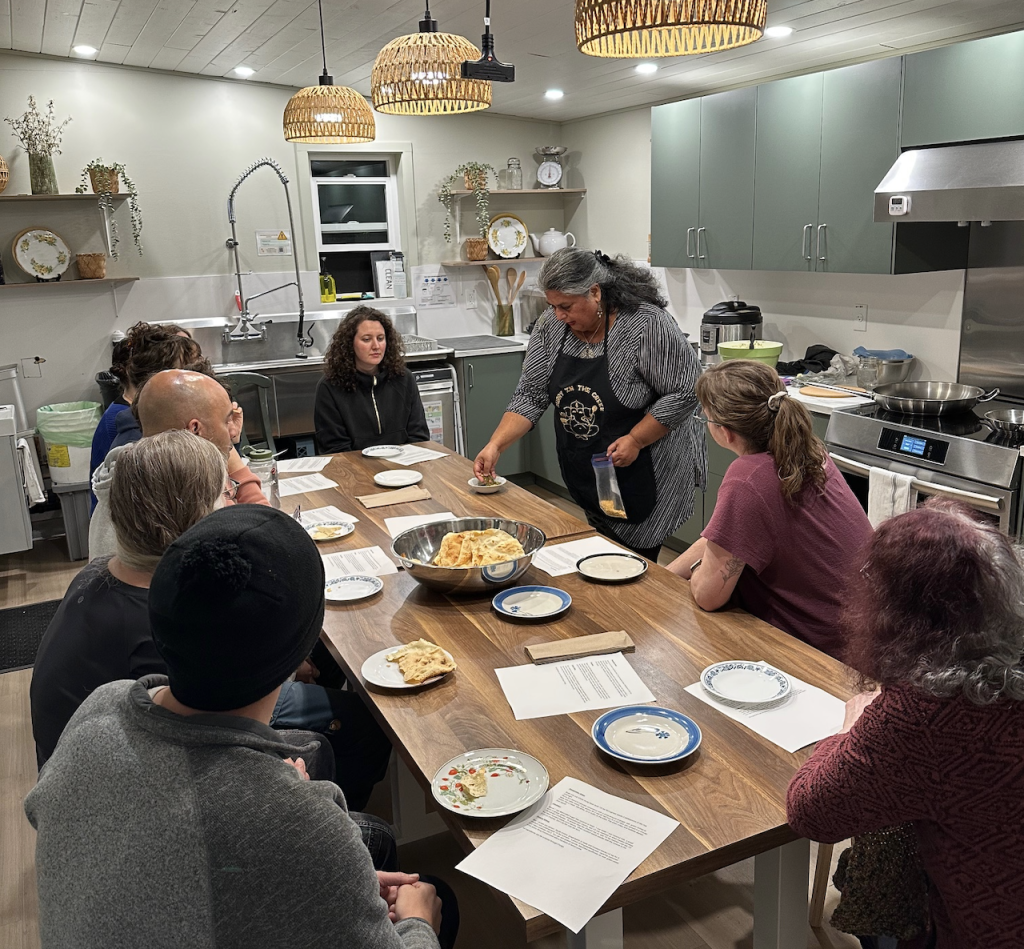
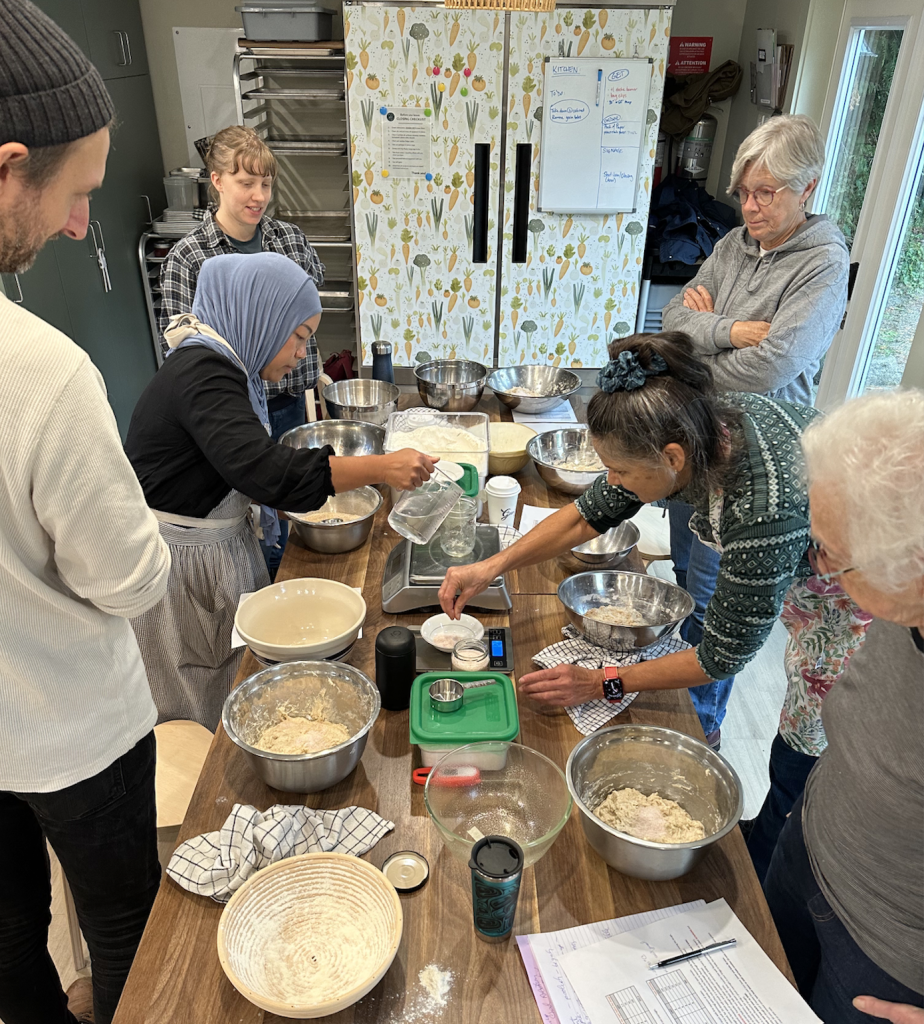
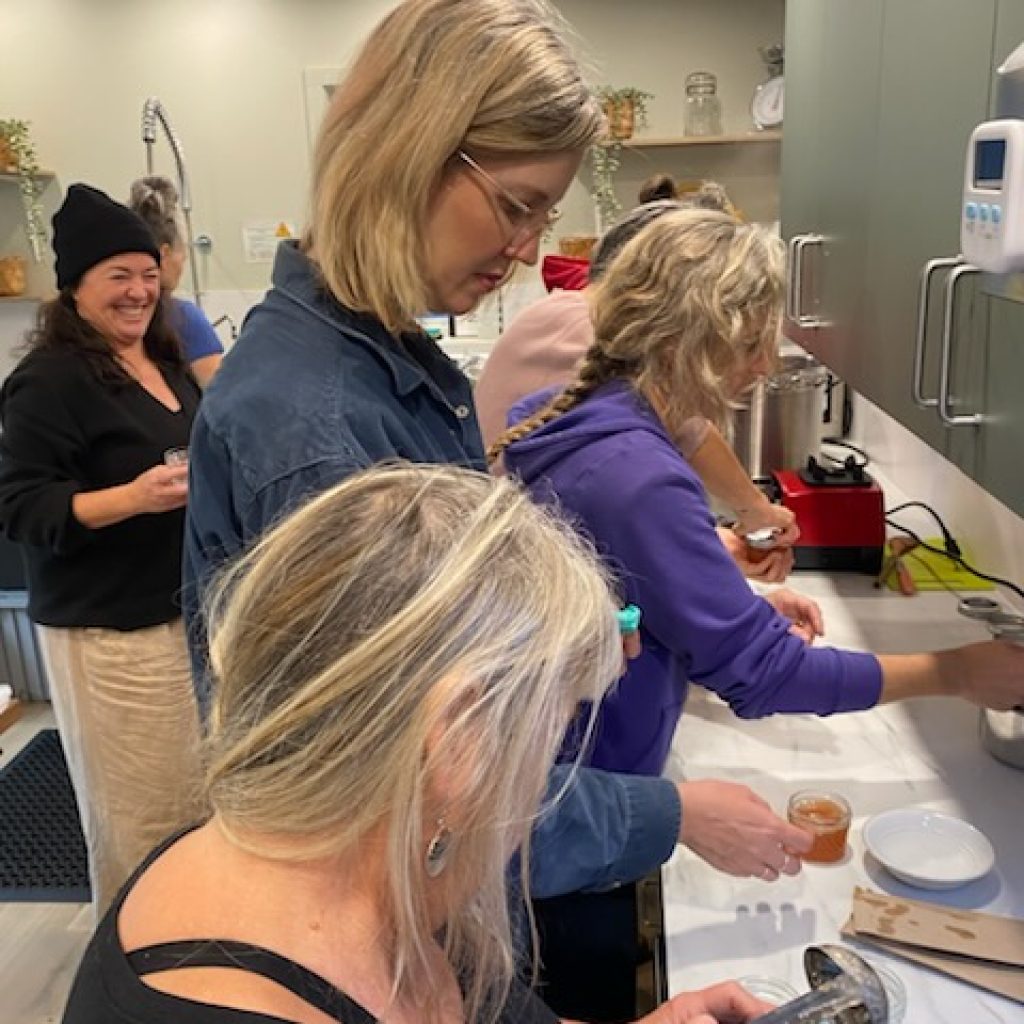
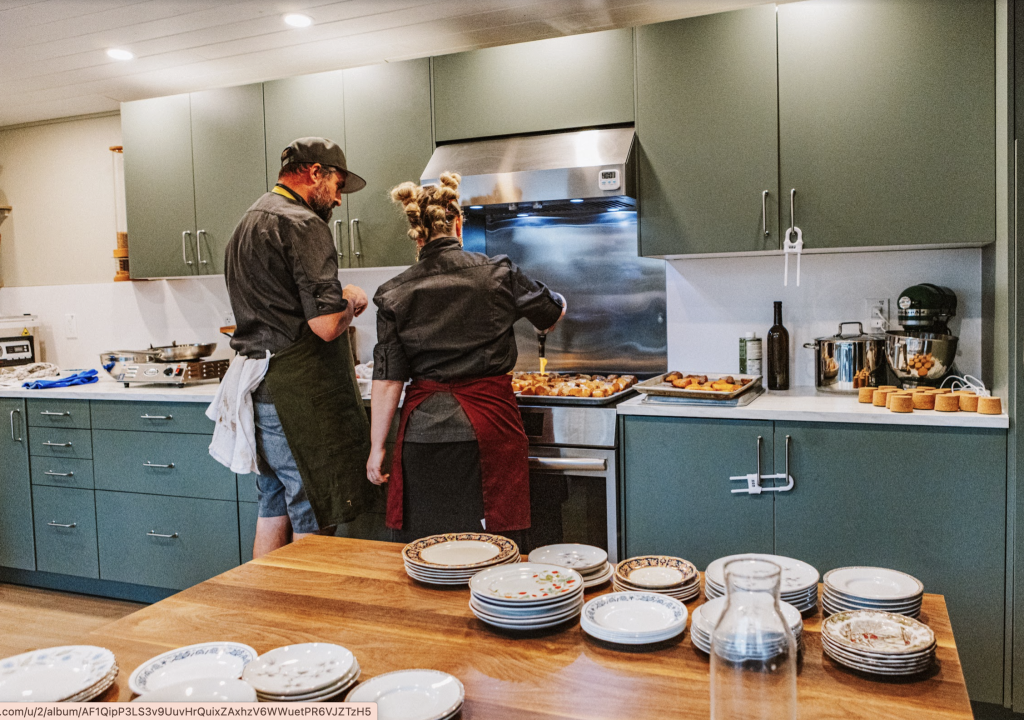
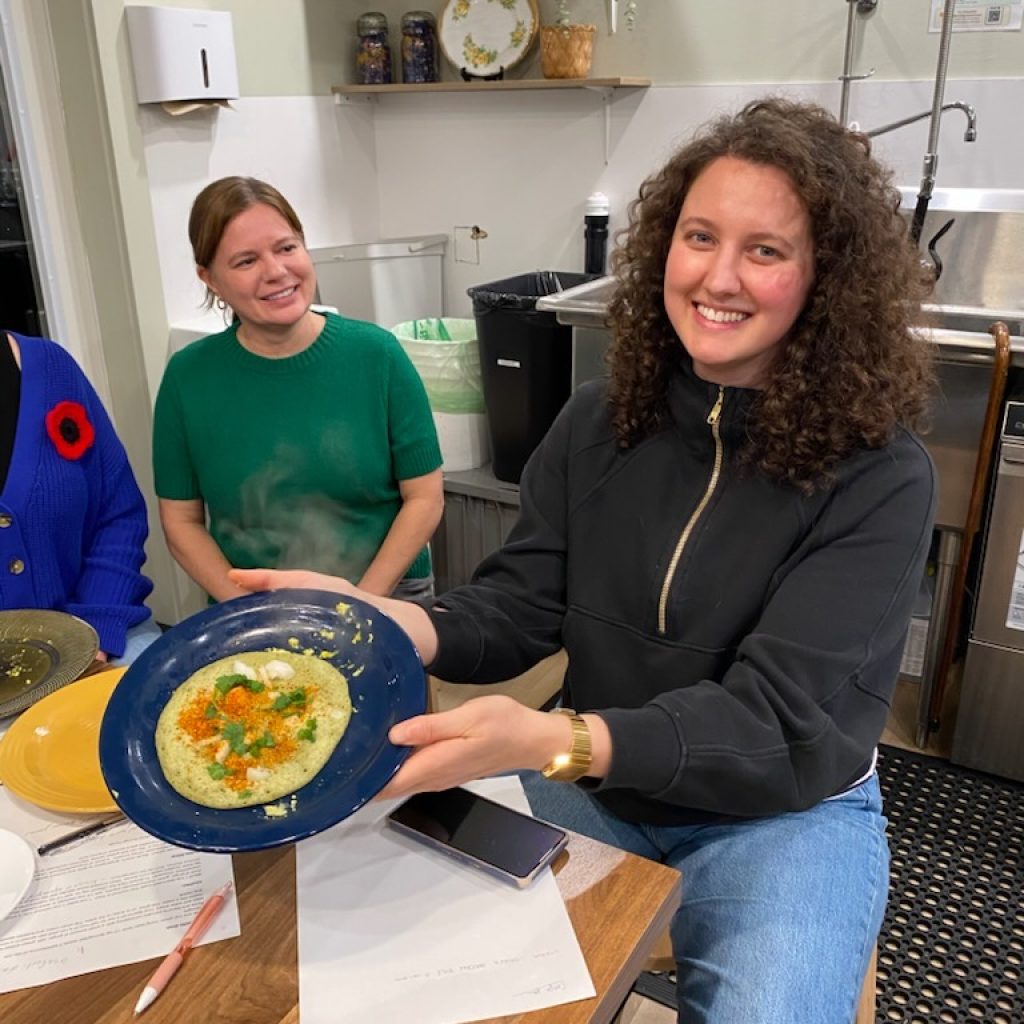
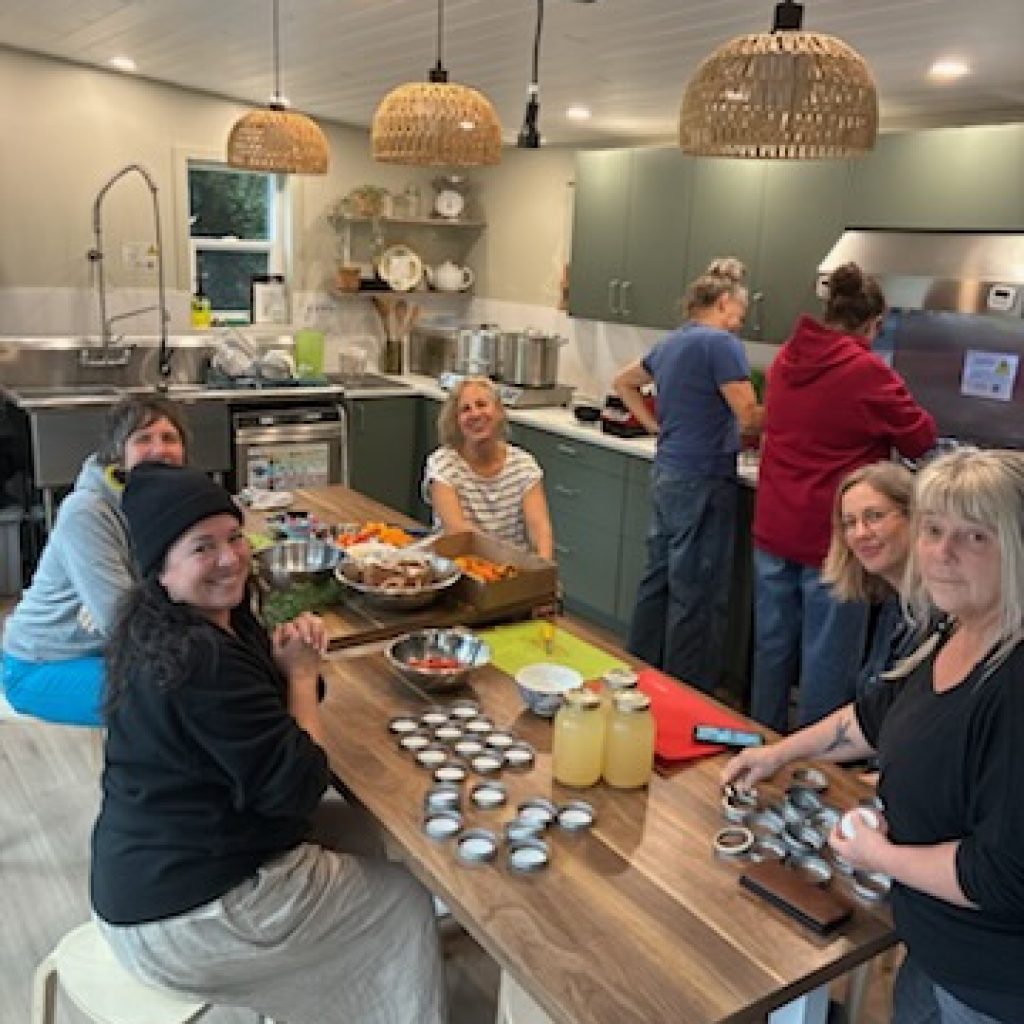
Today, we’re sitting here in this cozy kitchen, full of commercial grade equipment that can do magical things to support food resiliency, connections, learning, and economic prosperity. Over 130 different people have worked in the kitchen since it opened – on projects, businesses, food waste, and in workshops, and a couple hundred more have explored through open houses, Tiny Farm Sunday Happy Hours, and group get-togethers.
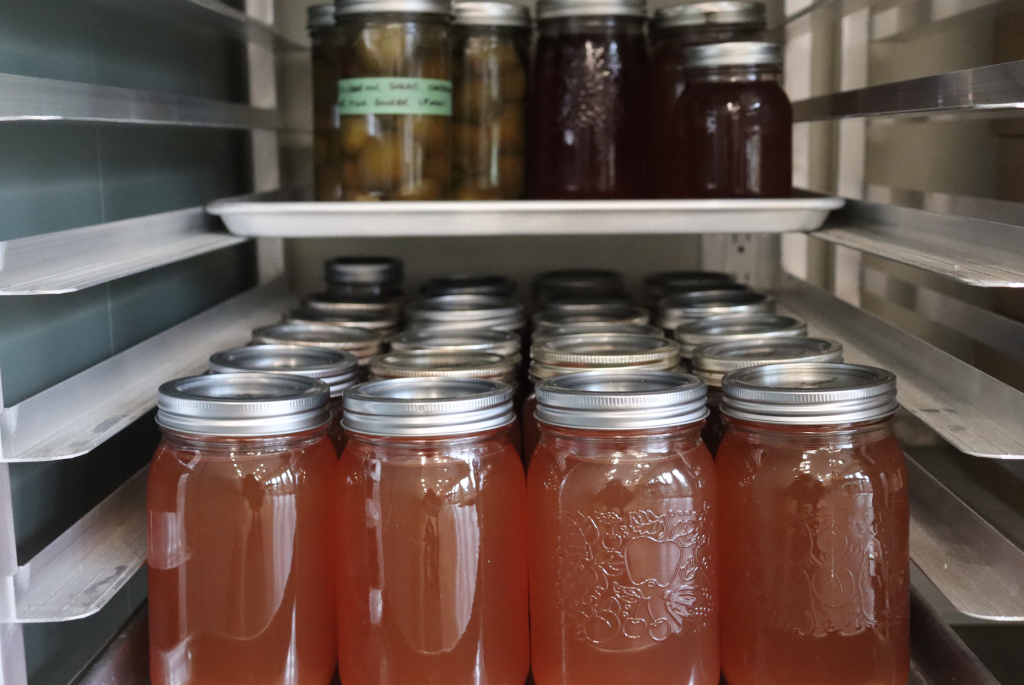
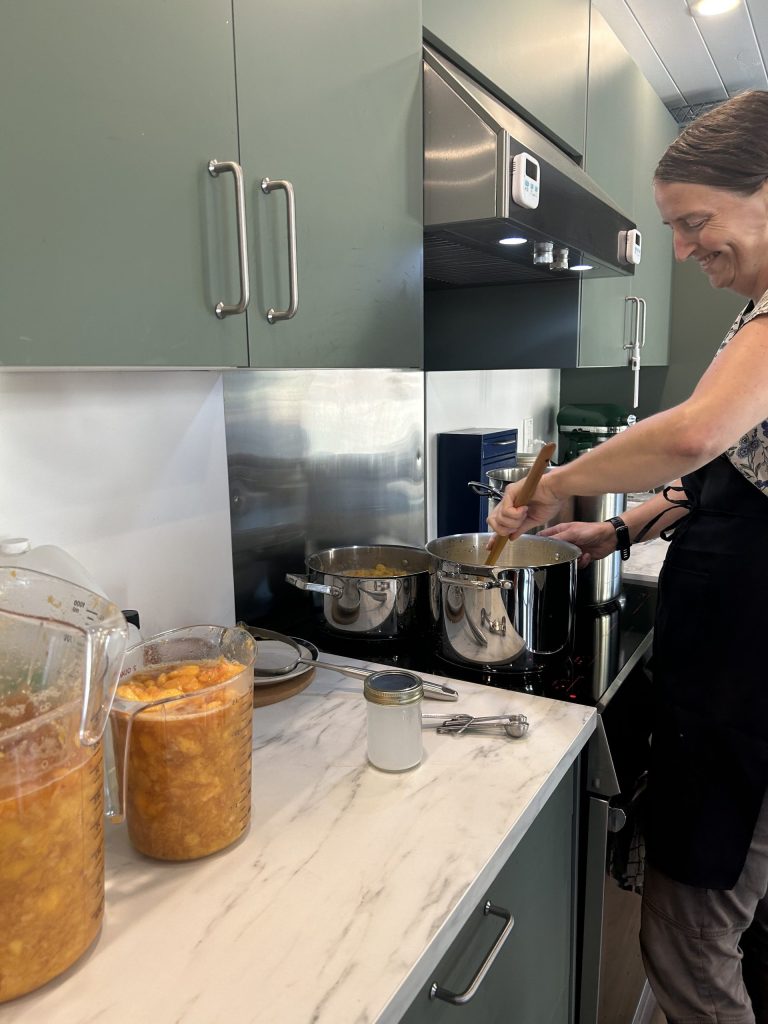
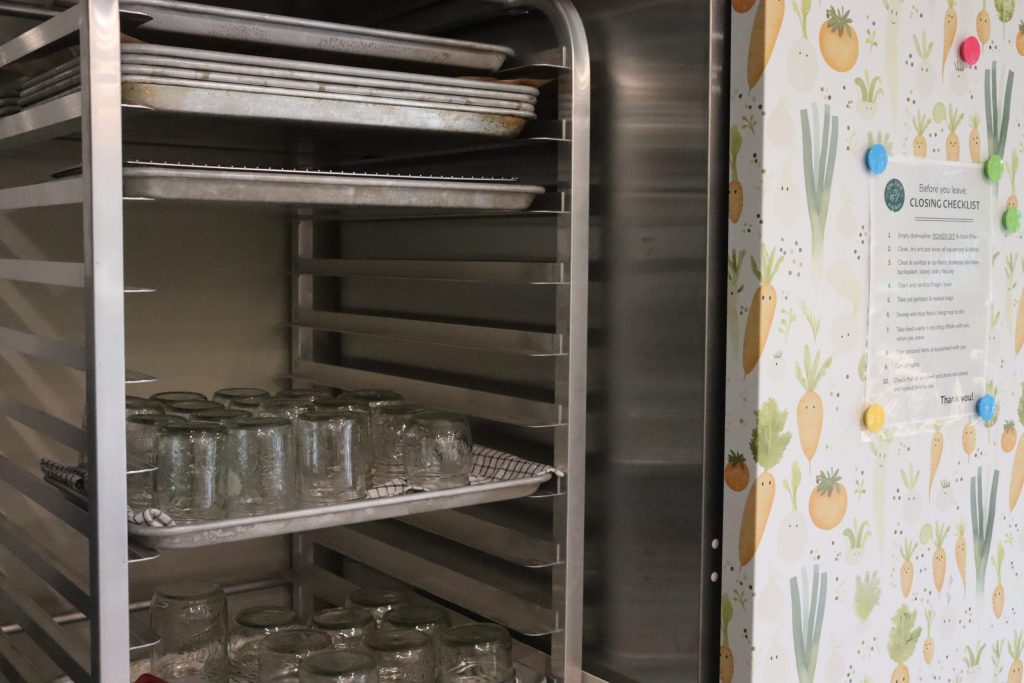
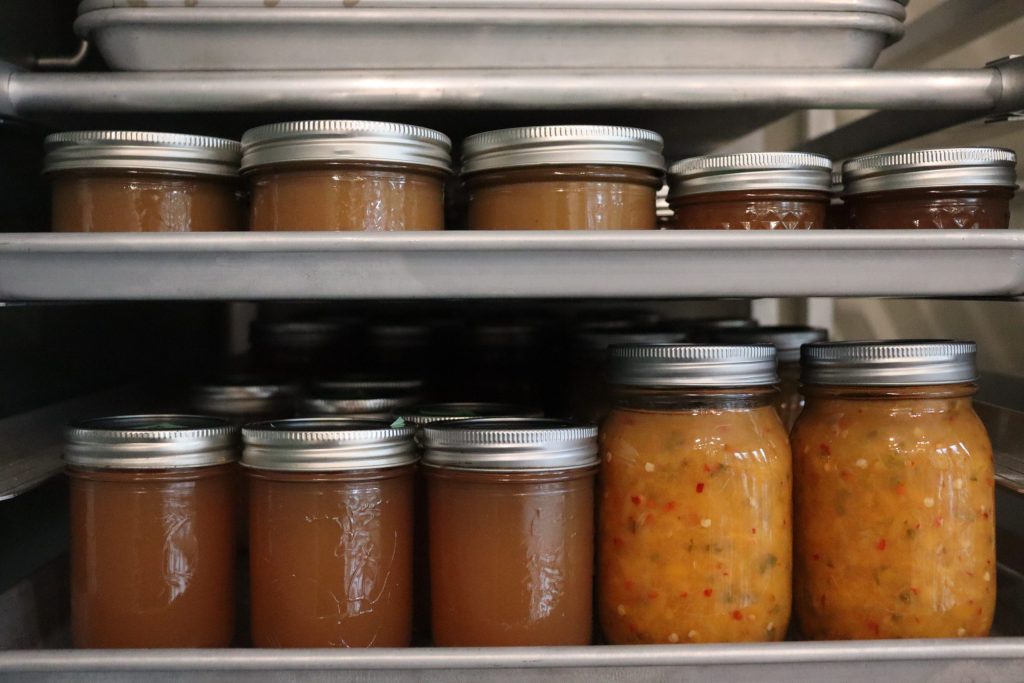
It makes me a bit goose-bumpy turning on the lights to see racks full of canned quince jellies made yesterday out of fruit that would have dropped and rotted. These are jellies that can be sold in a social enterprise, served at charcuterie carts at events, gifted in subsidized foodboxes, or featured at our long-table dinners.
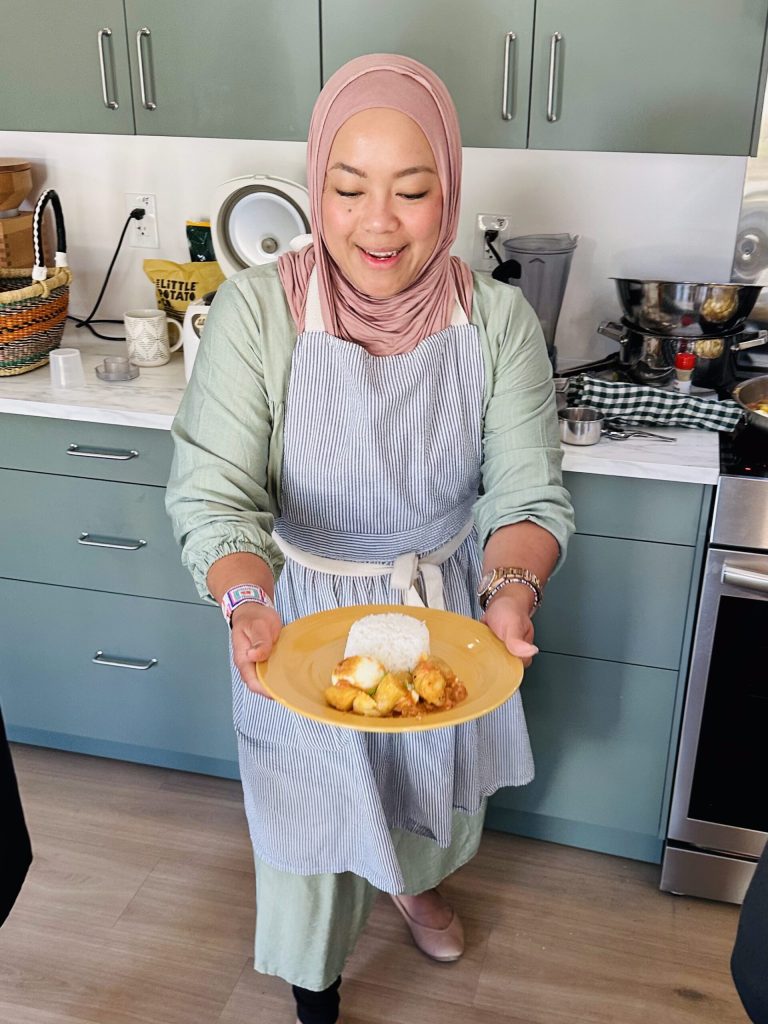
I glow when Elders walk in, and instead of scowling at all the stainless steel of a commercial kitchen, they ooh and aah over the warm colours, plants, and wood. Then they touch the button on the island, and it lowers so they can sit and process fish while the tall guy presses the same button to raise the other one so he doesn’t have to hunch over.
As more people discover it’s here and get involved, more plans grow for business start-ups and experimenting with recipes and classes in here. It’s SO beautiful seeing it alive with community connections, ideas, hard work, and blossoming food businesses.
Thank you. I mean, this place is for YOU, so I guess we’re all winners here.
Funded by the good people at: