
Education, Facilitators & Costs
1. Community as educators:
One Straw Society is a collaboration of community members, businesses and other organizations, and it’s the generosity of neighbours, facilitators, and knowledge-keepers who contribute their time, expertise, and resources that supports the future of food regionally.
Facilitators can be anyone – with or without degrees or teaching experience. Some subjects require expertise – soil science, foodsafe certifications, etc; and others prioritize lived experience, culture, and generational knowledge. All are welcome!
Subjects may include:
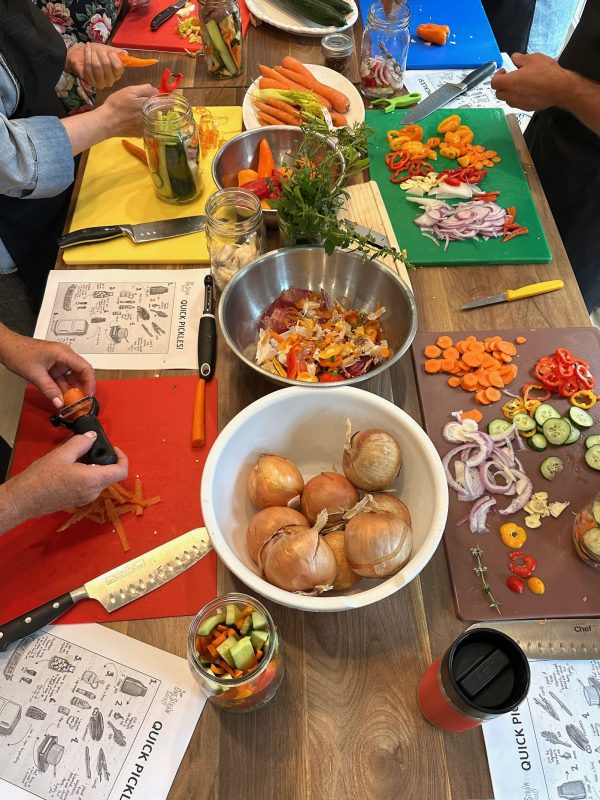
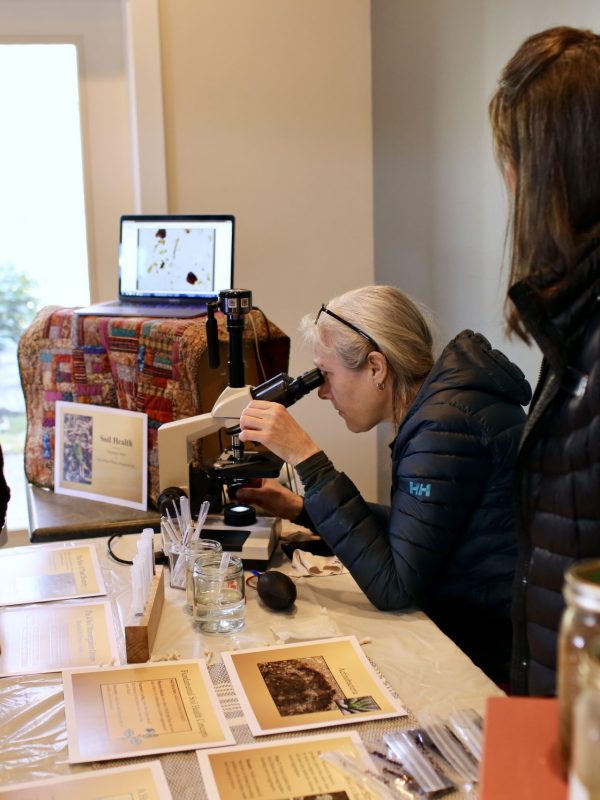
Anything related to the food system – sea and land-based knowledge; culture-specific farm and food practices; food preservation; cultivation; pruning; foraging; DIY growing tools and tips; greenhouse growing; hugelkultur; aquaculture; water collection and distribution; solar power; food preservation such as dehydration, salting, canning, fermentation, freeze drying; indigenous food history and culture; pollinators and companion planting; compost and soil creation and management; natural pest protection; food and farm business planning; and more! Try us!

2. Pay & Workshop Costs
We offer a modest honorarium to facilitators at workshops and events, to recognize preparation, expertise, and time. Honorariums average $150 for a three-hour workshop, equivalent to roughly $50 per hour. This, of course, varies for much shorter or longer programs, or for specialty subject matter. In addition, with pre-approval, we can cover reasonable costs for food and supplies, and provide equipment and space.
Education costs incurred by One Straw Society:
- Facilitator honorarium / pay
- Ingredients & consumable supplies
- Equipment purchase, use & maintenance
- Facility and kitchen costs, including rent, hydro, gas
- Coordinator wages to plan, set up, clean up, and support facilitators / participants
- Admin & finance to process payments, refunds, budgets & reporting
- Marketing, newsletters, & social media promotion
- Registration platform & payment processing fees
- Insurance to cover participants, even where a facilitator is deemed at fault
3. Support & Benefits:
There are 3 key ways to support this charitable work – Facilitators can volunteer their time; people can offer a venue – your garden, dock, kitchen, farm or business may be the perfect spot to host curious learners for a day; and Donors help cover costs.
Hosting or facilitating are great ways to…
- Share your knowledge, skills, and passion
- Contribute to a culture of knowledge-sharing, mentorship, and lifelong learning.
- Showcase your business, site, organization, services, or skills to an engaged and interested audience.
- Build your reputation as a trusted local educator, practitioner, or community leader.
- Meet people who share your interests, and expand your networks – potential friends, clients, partners, volunteers, collaborators, etc.
- Help inspire future growers, food producers, cooks, stewards, and change-makers.
- Advance causes and projects you care about.
- Align yourself with One Straw Society’s mission and good reputation
Charitable tax receipts are provided to facilitators who donate back their honorarium.

4. Education is not Fundraising
Education is a part of our mission and a service we provide to our community. As such, it’s important that the education we provide is not seen nor promoted as “fundraisers”. Education is about access, sharing, knowledge, and empowering one another. Not raising money.
Workshop fees are usually pay-what-you-can with free spots to ensure that knowledge is accessible to everyone. Facilitators that volunteer, and payments from participants certainly help offset costs, but rarely cover all costs. One Straw Society subsidizes the balance with donations and funding from the United Way and Vancouver Coastal Health.
We’re committed to honest and transparent communication about how programs are funded and delivered. Volunteers and donors can be celebrated, while ensuring that the community understands the real costs associated with creating accessible, community-based educational programming.
If you’re interested in fundraising for food security and food systems work, please talk to us about your ideas for events, auctions, raffles, sales, and more! We’d love to connect you and support you to make that possible!
We are grateful to every facilitator, volunteer, donor, and participant who joins this work, helping to build a resilient, healthy, connected, and sustainable community and food system!
Contact us: info@onestraw.ca